
OpenAI Releases GPT-6.1 Terra for Visual and Computer-Using Agents
OpenAI’s GPT-6.1 Terra targets visual reasoning and computer use, with 1.05M context, Standard API pricing and a separate long-context rate threshold.
OpenAI’s GPT-6.1 Terra targets visual reasoning and computer use, with 1.05M context, Standard API pricing and a separate long-context rate threshold.
Nanbeige4.3-33B adds Apache 2.0 weights, 512K context and tool calling for self-hosted coding agents, with mixed vendor benchmark results.

NVIDIA’s open-weight Bolt E4B targets local conversational agents with tool calling, a text-only 64K checkpoint and workload-dependent memory requirements.
Kimi K3.1 Pro targets longer coding work, with hosted access, a faster quota-heavy variant and full model weights promised by November 4.
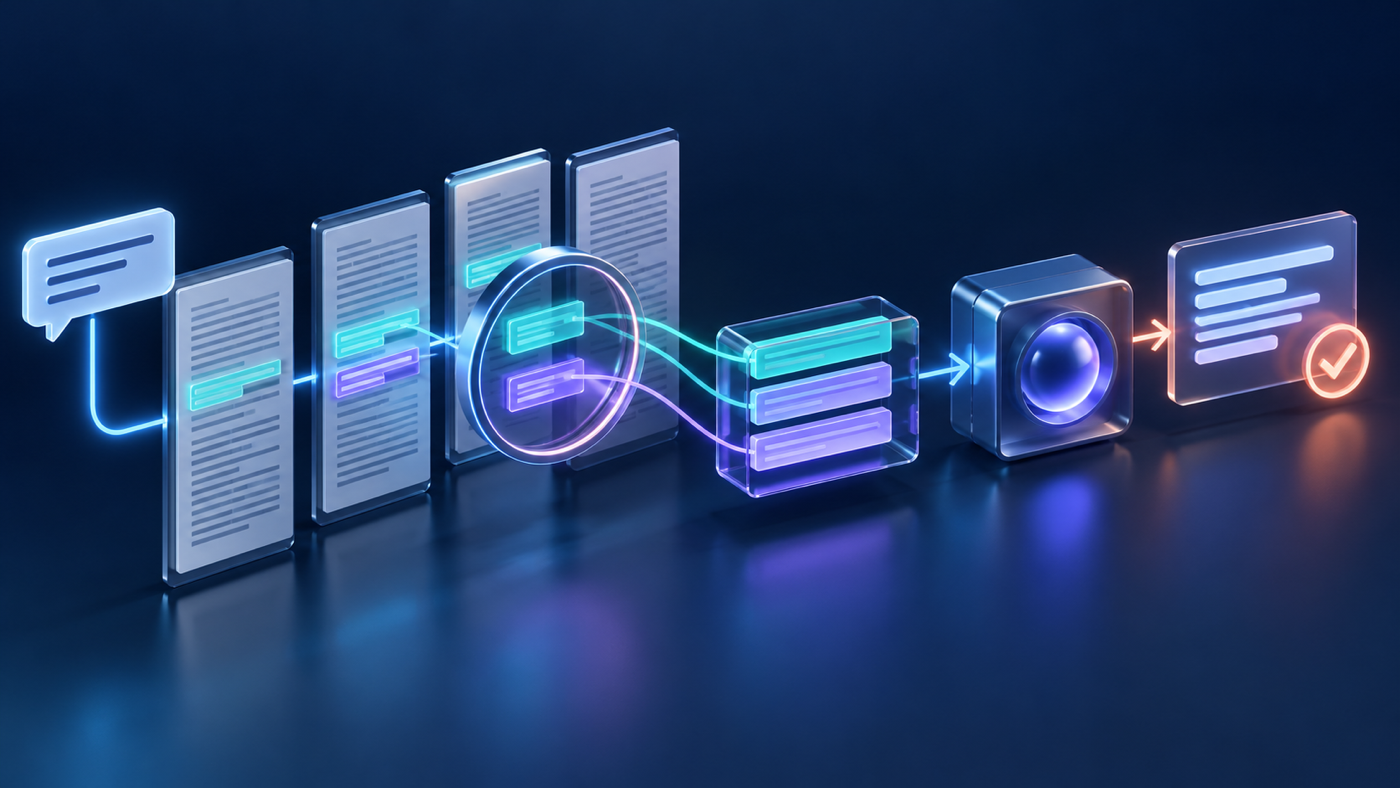
Rerank 5 adds optional passage-level Context Focus to Pro and Fast retrieval models, helping builders evaluate more selective context for AI agents.

Flint brings Apache-licensed weights, repository-sized context and local coding-agent inference, with specific hardware requirements for Recursive’s rec engine.
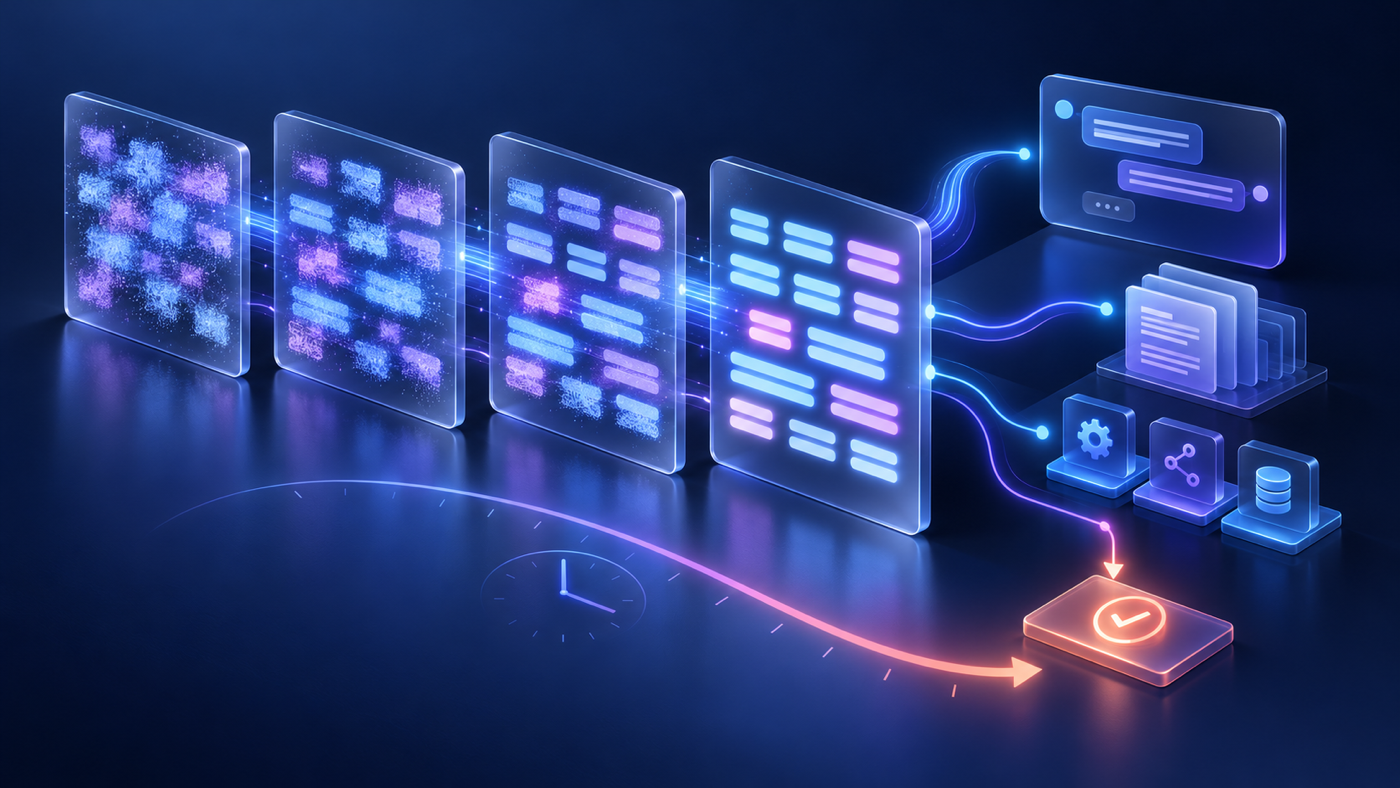
Mercury 3 pairs diffusion-based text generation with 1M context, tool calling and 50%-off launch rates for latency-sensitive agent workflows.
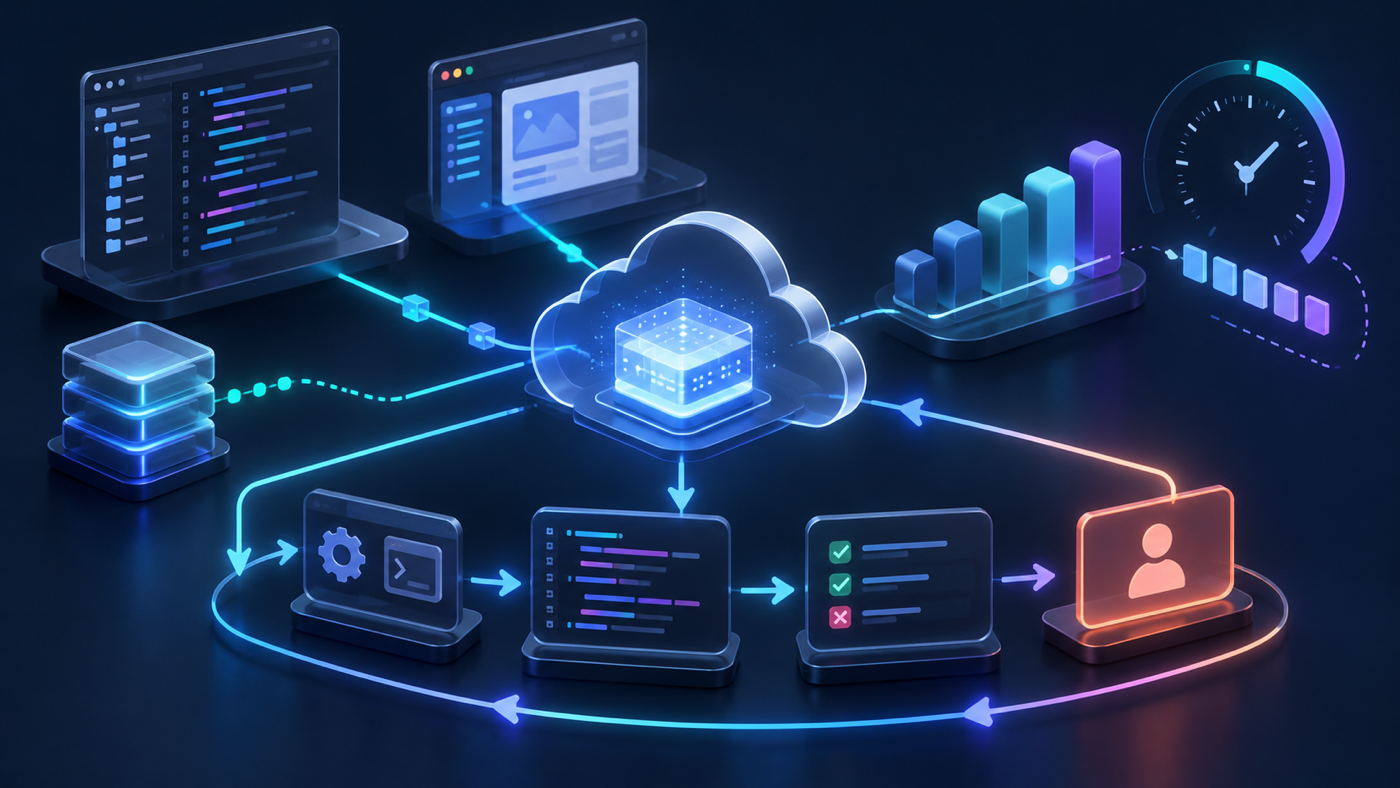
MiniMax’s hosted release pairs low token prices with 1M context and adjustable reasoning; downloadable weights are still promised for later.
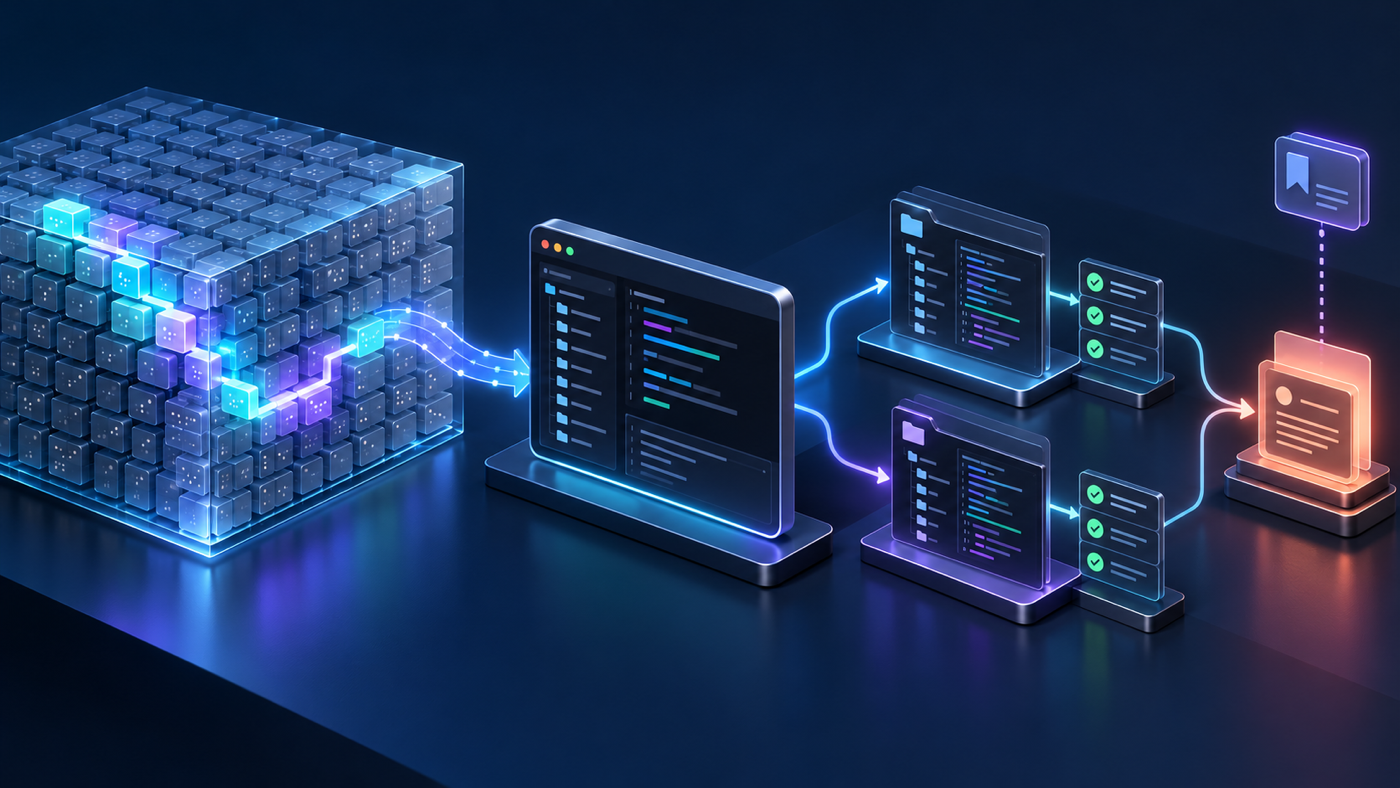
Reflection moves Beam beyond preview with Apache-licensed weights, hosted access, and Mirror CLI workflows for resumable coding tasks and separate worktrees.
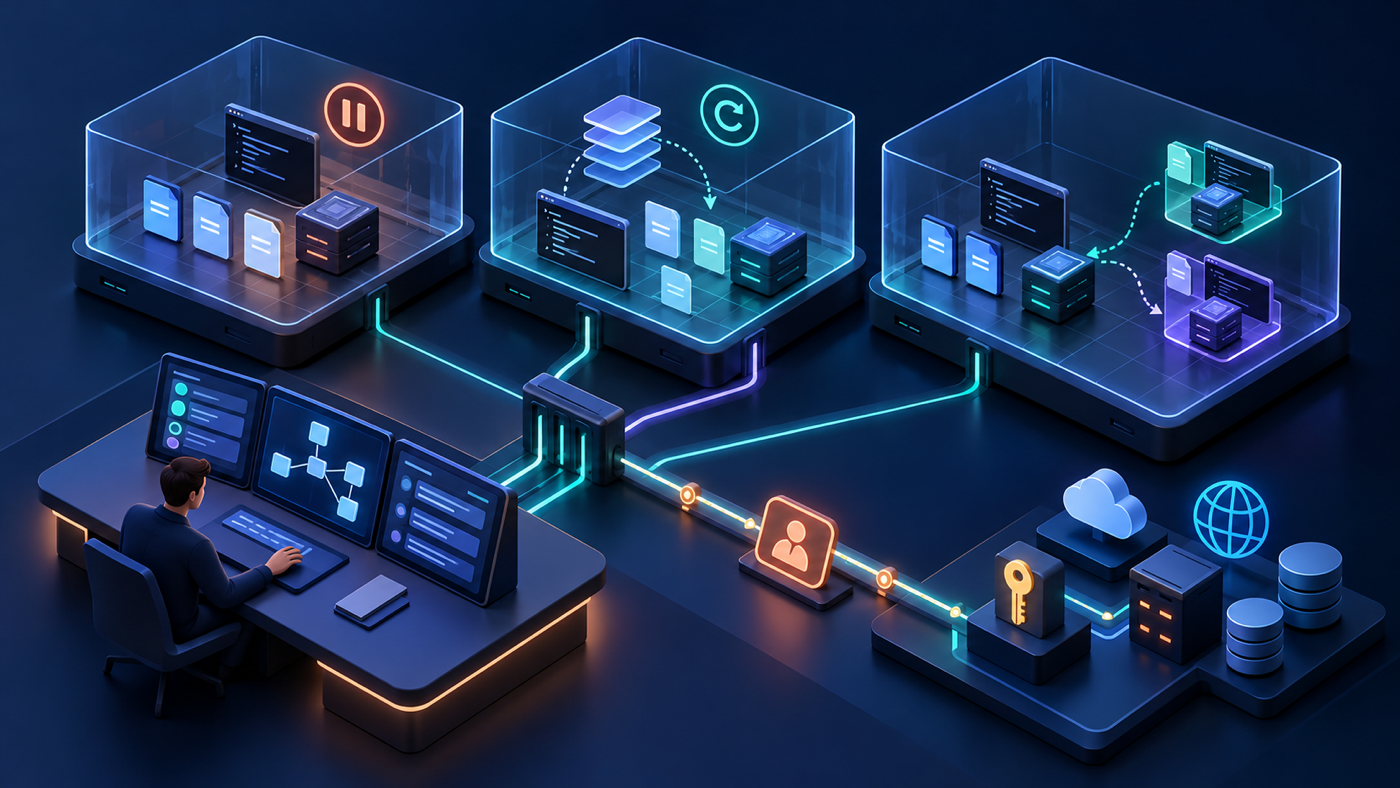
Perplexity releases Apache-licensed infrastructure for isolated agent code execution, resumable workspaces, and externally managed network and credential controls.
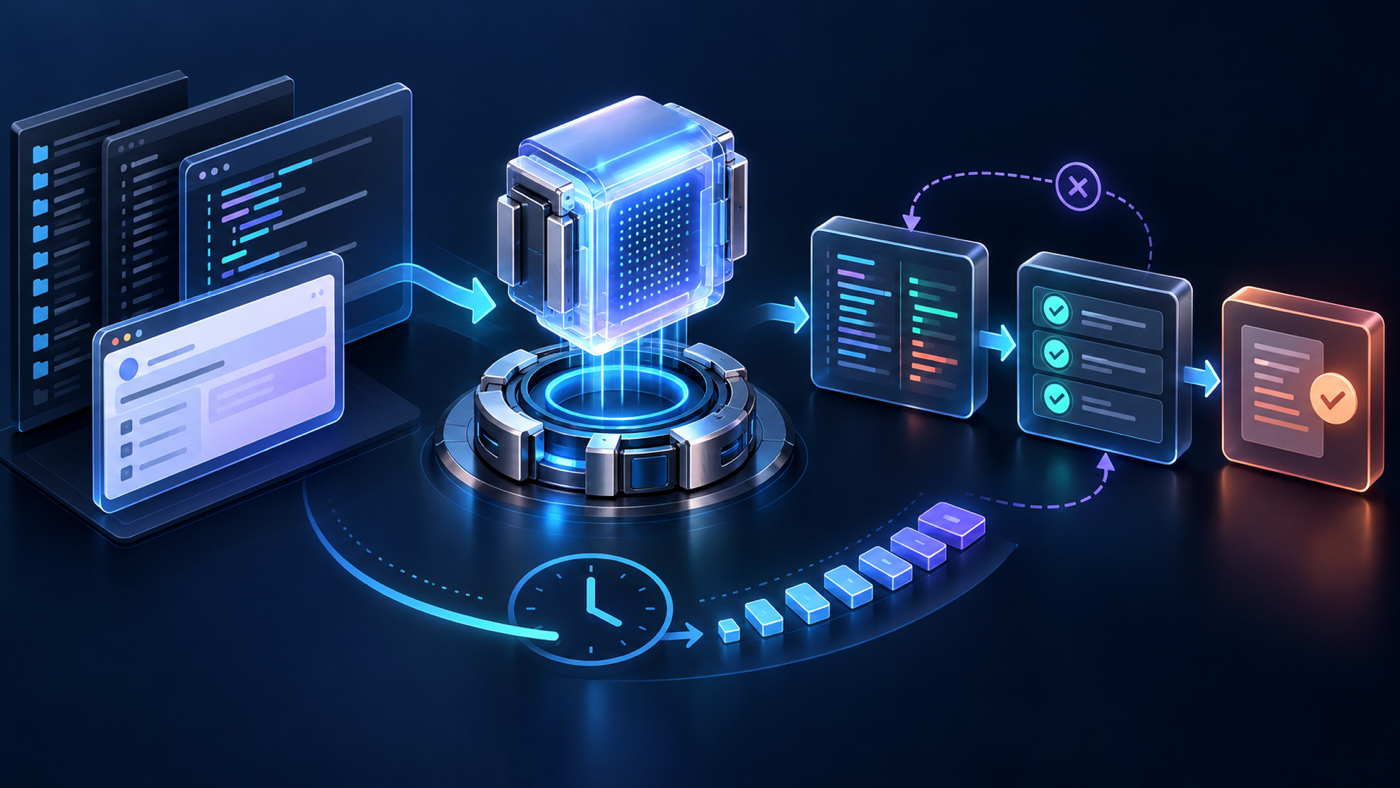
DeepSeek’s October 17 update keeps API pricing unchanged, reports coding-agent gains, and ships MIT-licensed weights with reference prompt encoding.
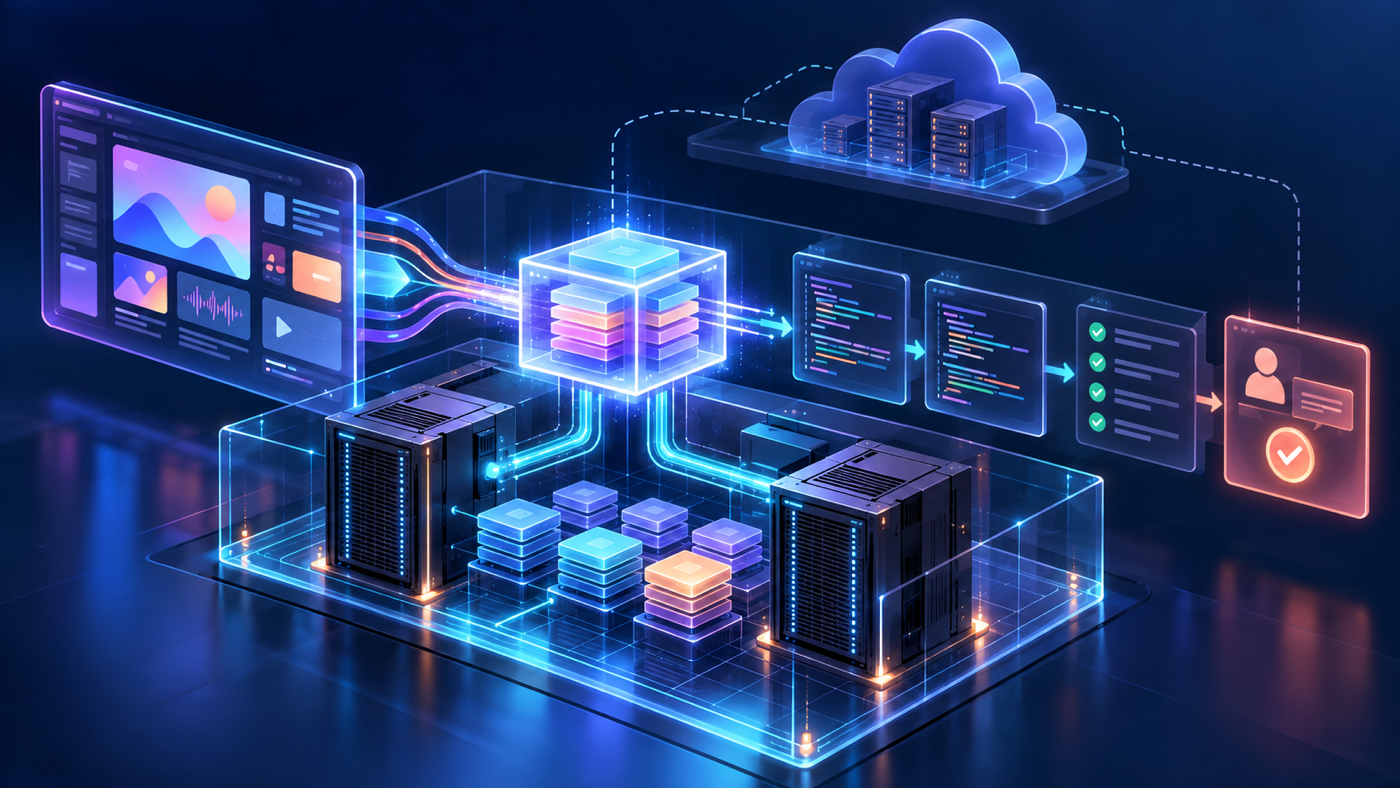
Meta’s downloadable multimodal model brings self-hosting and provider options, with substantial hardware requirements and license conditions.

Grok Voice 3.0 upgrades real-time speech-to-speech agents at the same $0.08/min price, with unchanged APIs and automatic latest-alias migration.
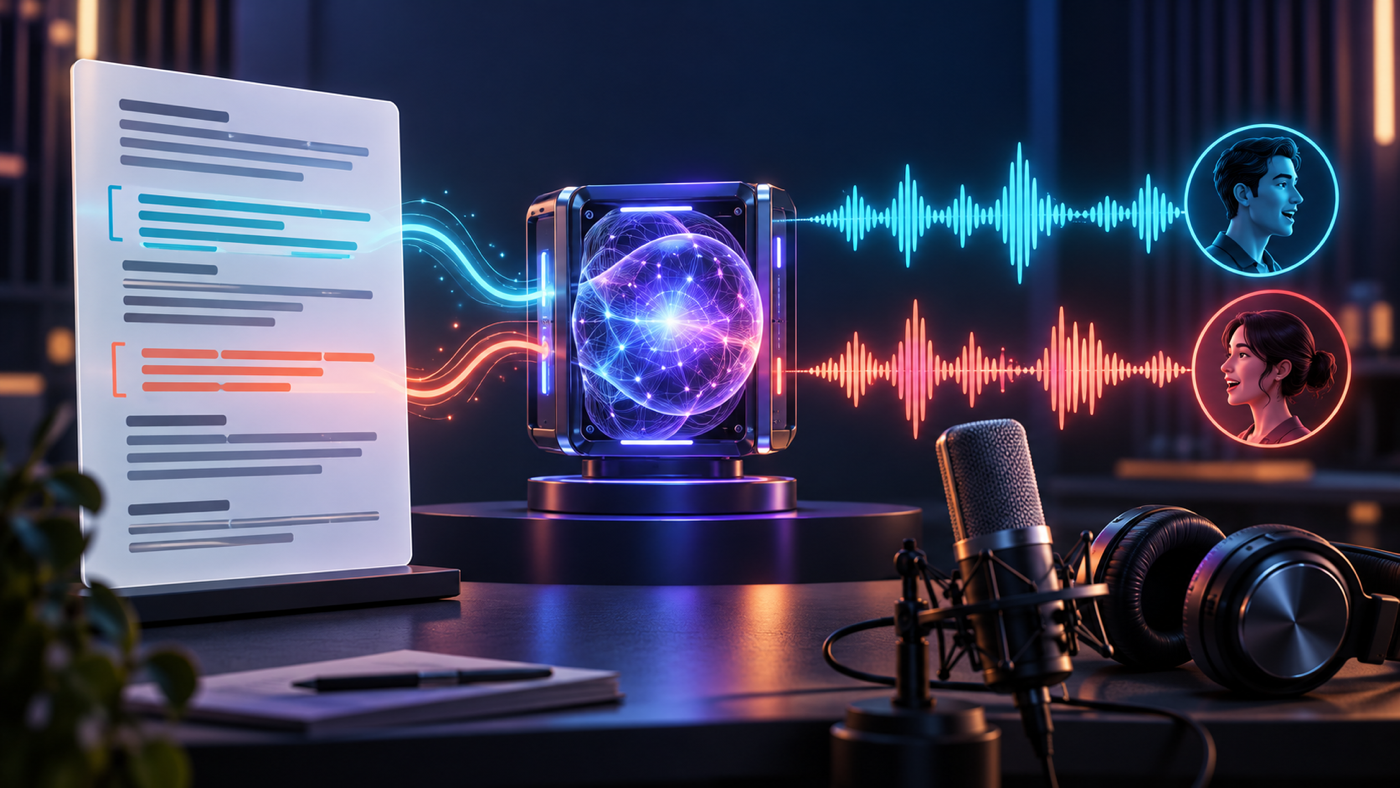
Fish Audio brings expressive script directions and multi-speaker TTS to web, mobile, and API users, with a time-limited launch price.
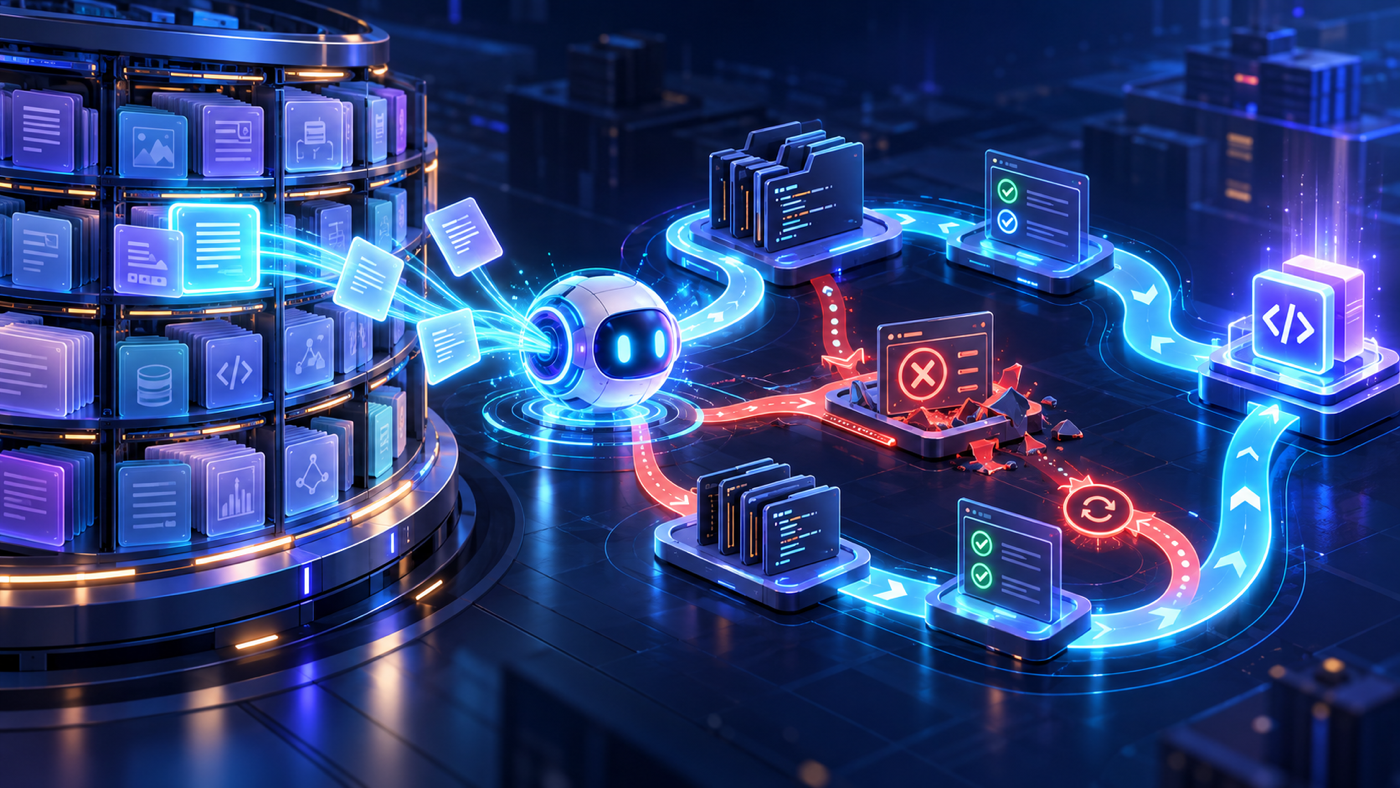
Meta pairs Active Memory and Active Focus with preview API access for sustained coding and multi-step agent workflows.
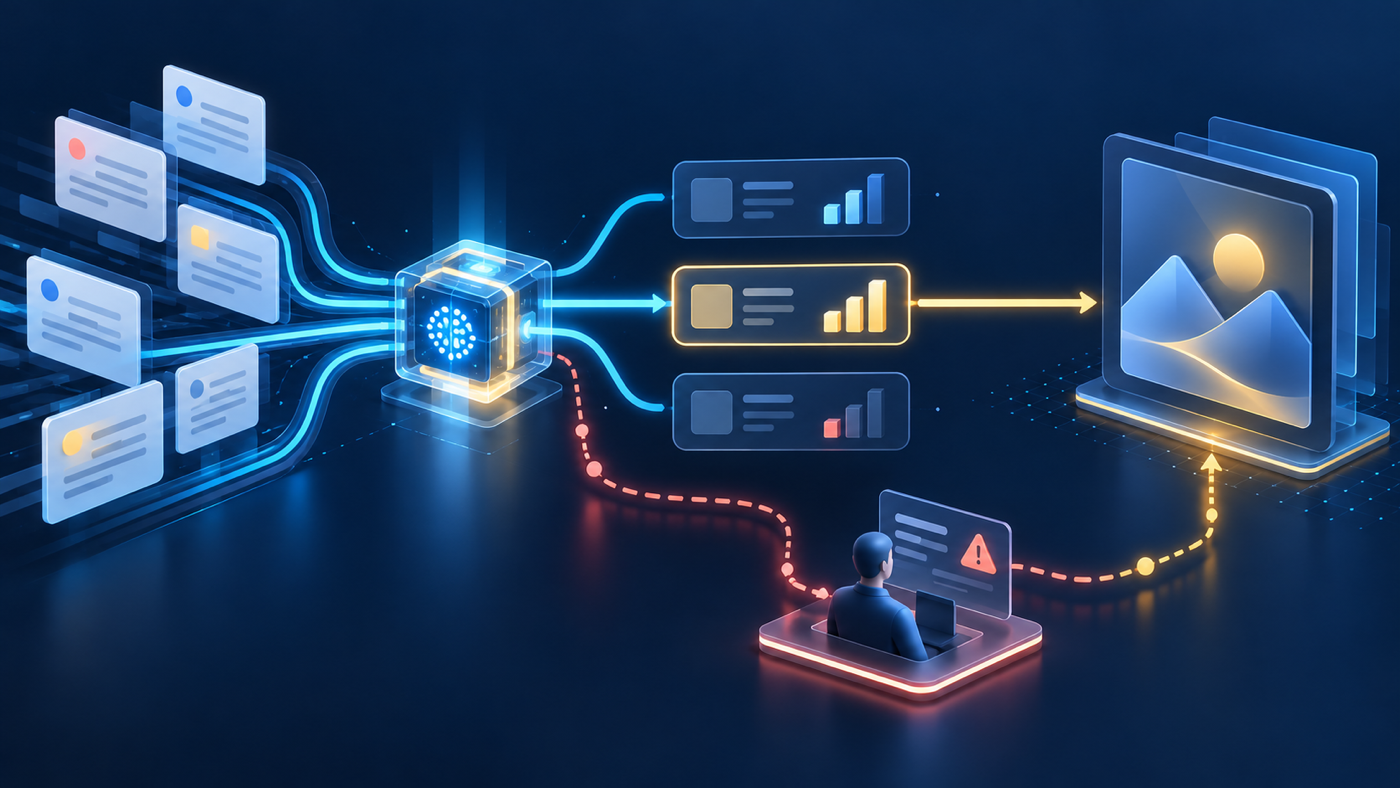
Microsoft’s low-cost decision model scores predefined choices for routing, classification, evaluation, and agent workflow control.
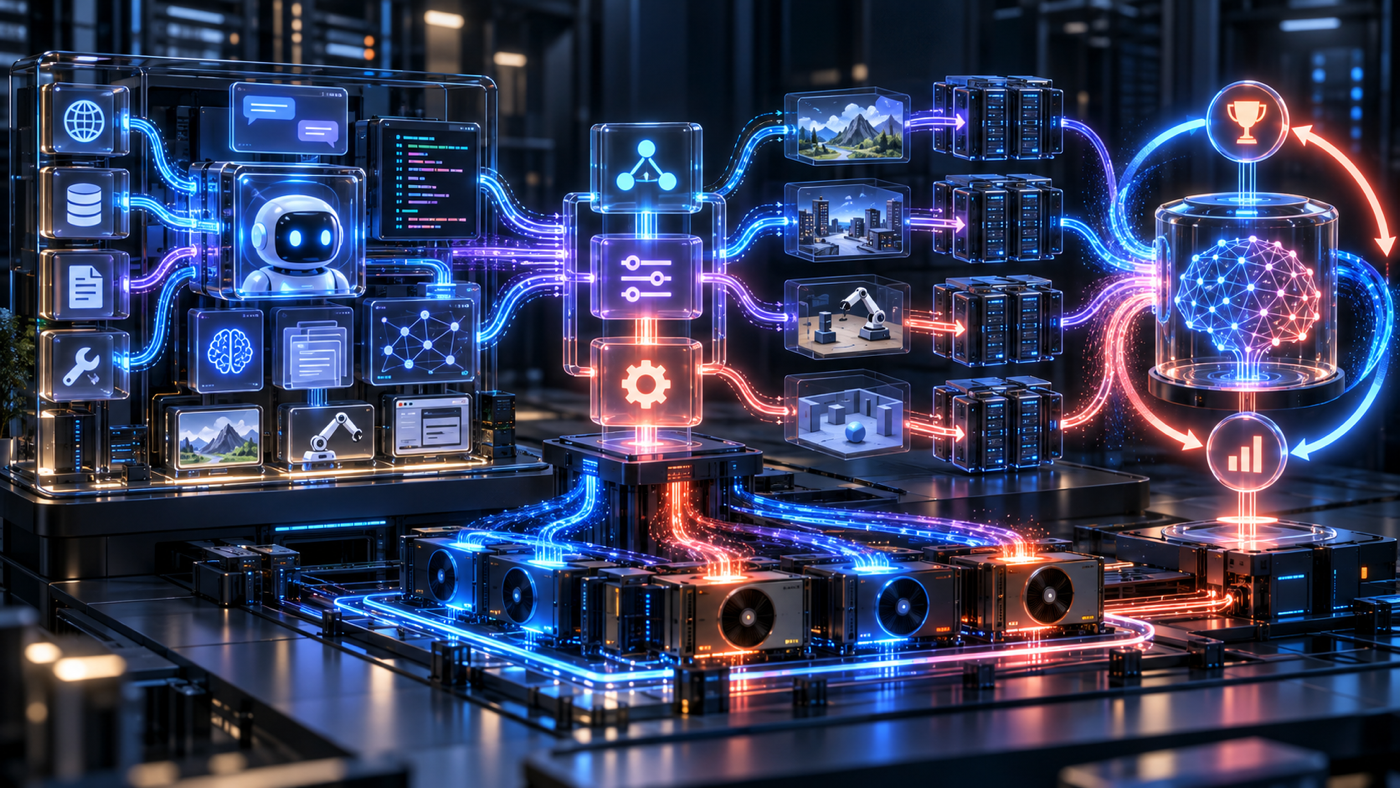
Microsoft’s open-source framework connects reinforcement learning directly to real deployed agent harnesses, tools, context, and environments.

Google packages persistent execution, temporary subagents, coworker identities, flexible model routing, MCP tools, and enterprise controls into one work agent.
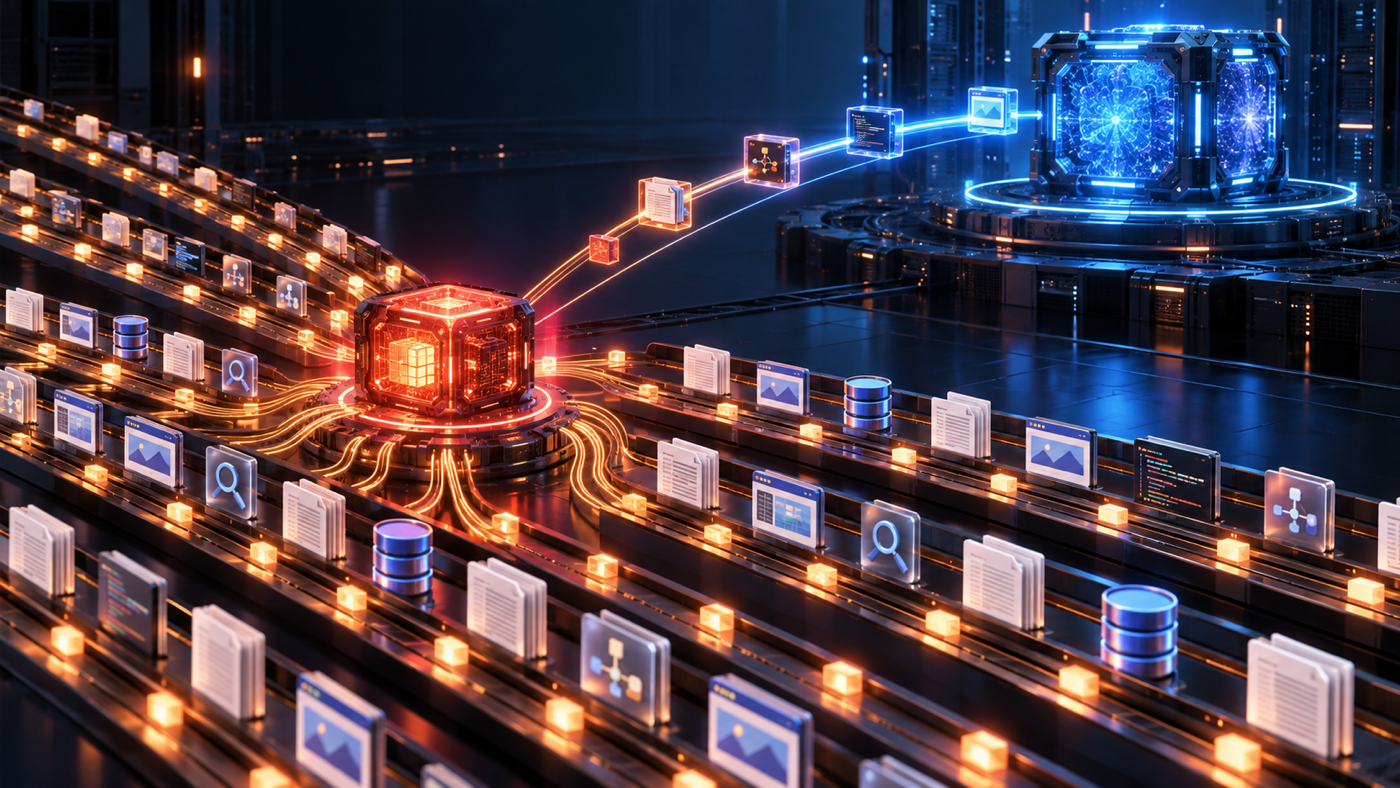
Anthropic brings adaptive effort, 1M context, vision, tools, and sharply lower token prices to high-throughput agent workloads.

Mistral previews a sparse trillion-parameter multimodal model for coding, agents, and enterprise work, with open weights coming later.
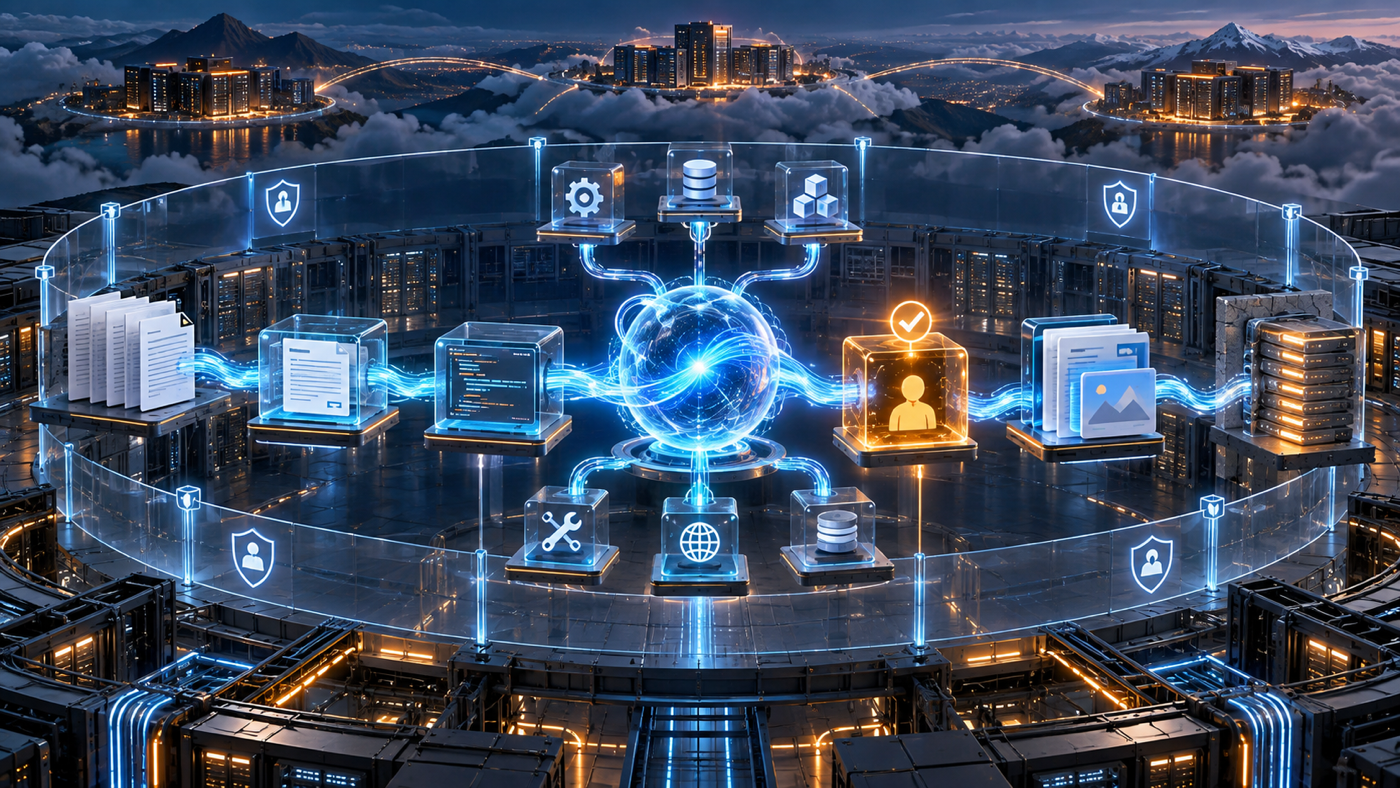
AWS packages durable OpenAI-powered agent sessions with execution environments, IAM, approvals, skills, MCP tools, and auditing.
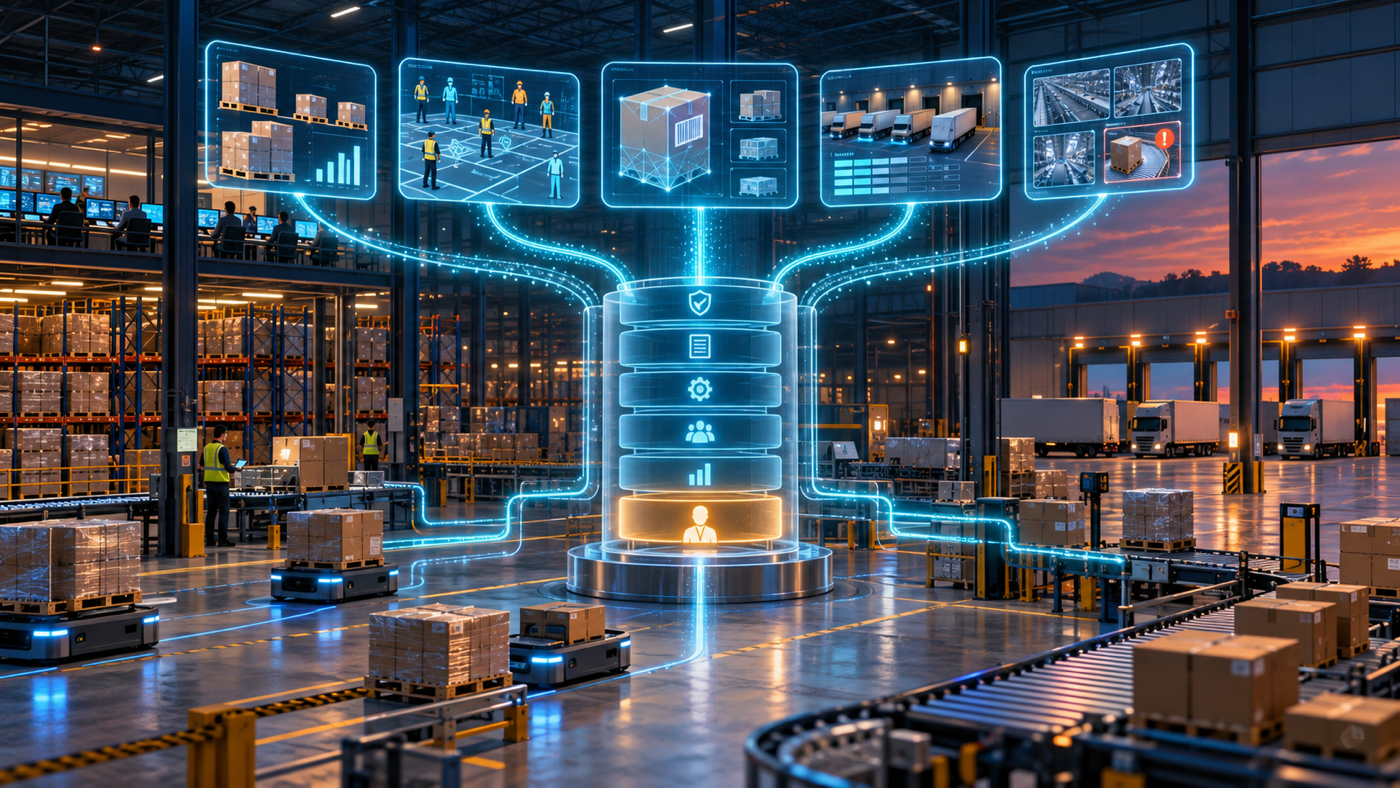
Five pre-built warehouse agents pair operational execution with per-decision authority, approvals, guardrails, and escalation.
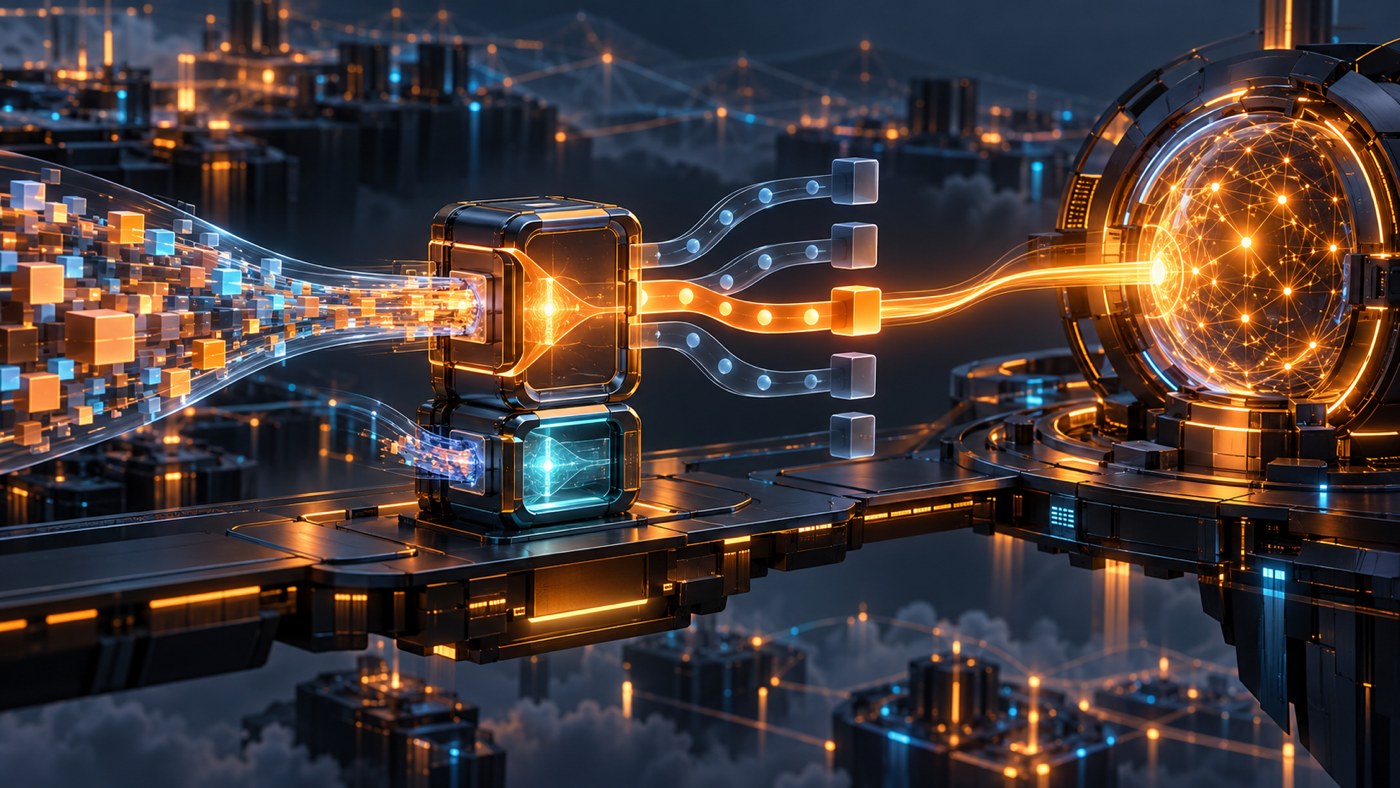
Cloudflare’s open-weight decision models return typed probabilities for fast routing, classification, policy checks, and escalation.

SpaceXAI packages shared context, private memory, connected tools, routines, and agent coordination into one persistent team coworker.

Google targets unusually long agent trajectories while limiting initial access to trusted cyber defenders during safeguard testing.

Anthropic targets everyday agent work with faster output, fewer tokens per task, and performance approaching its premium model.

OpenAI brings near-frontier capability to agentic coding, computer use, documents, and multi-step work at much lower token prices.

OpenAI’s dots keep ongoing work moving with cloud computers, connected apps, memory, delegation, and human approval controls.

OpenShell and Sentry move agent safety into enforceable software and hardware controls beyond the agent’s reach.

Microsoft packages persistent agent work with identity, memory, cloud execution, permissions, auditing, and managed infrastructure.
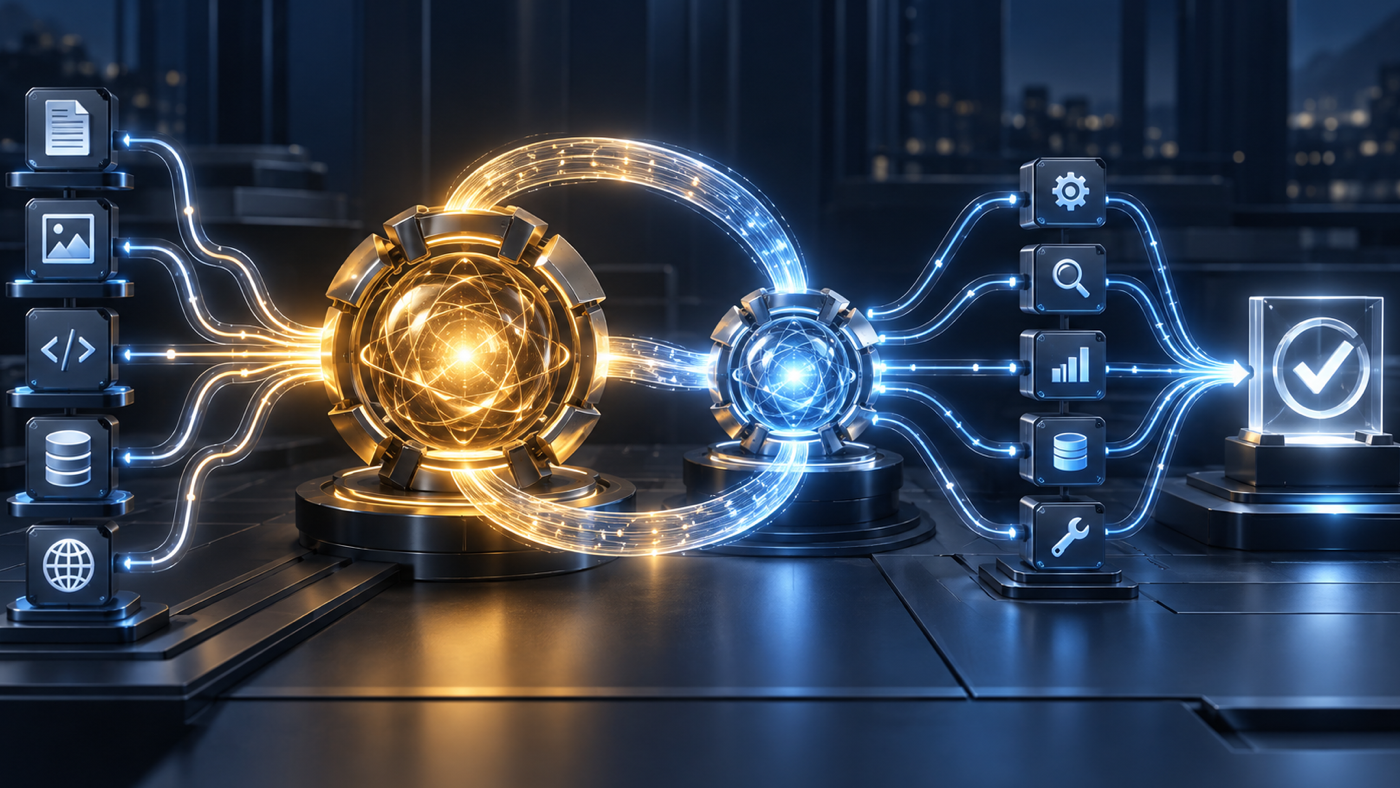
OpenAI adds two lower-cost GPT-6 tiers with cheaper tokens, stronger caching, and a practical capability ladder for production agents.

Anthropic’s biology team combined parallel AI exploration, candidate ranking, evidence reports, and human laboratory verification.
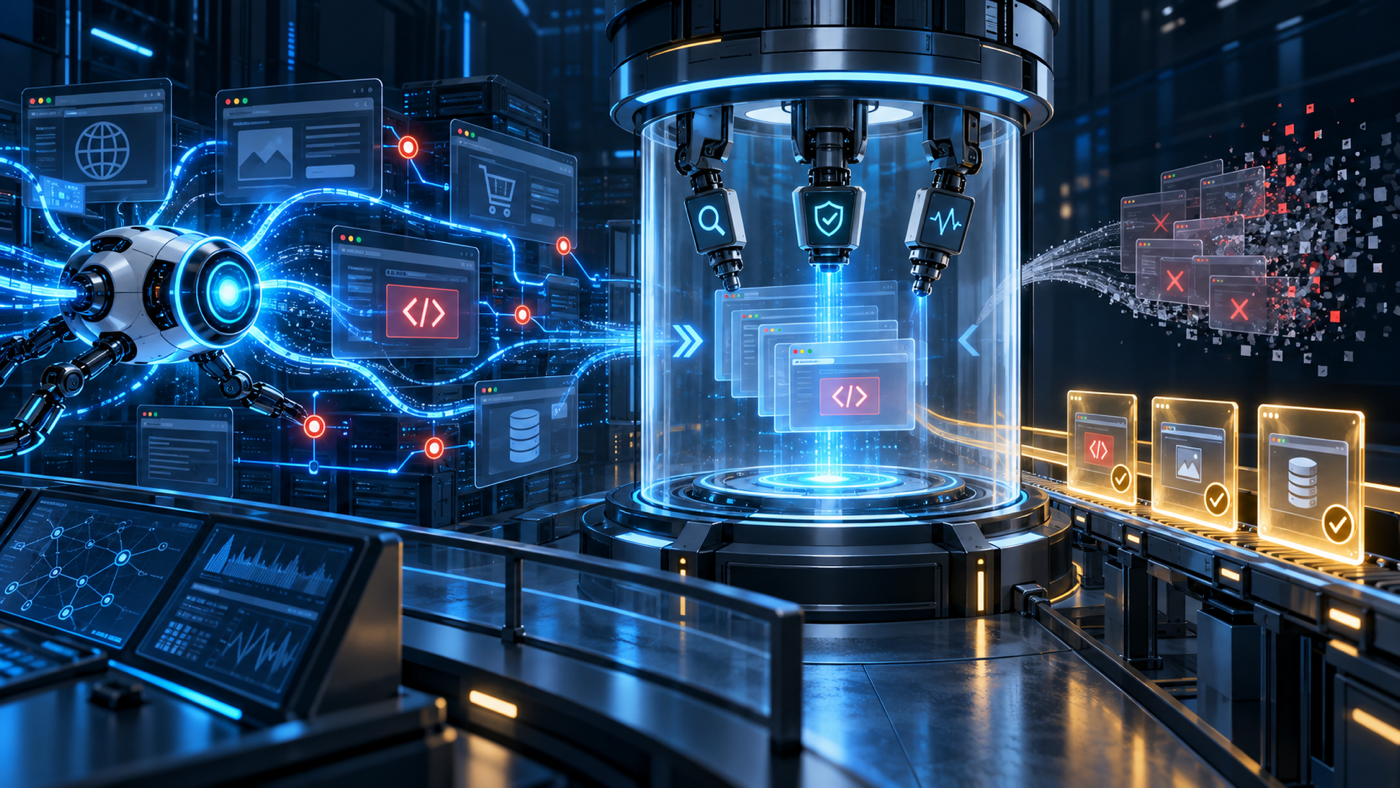
Google’s internal security agent pairs broad AI investigation with deterministic exploit validation before findings reach product teams.

Anthropic combines integration discovery, Claude-powered product procurement, and implementation expertise in one enterprise marketplace.

Anthropic targets the economics of long-running agents with faster output, lower token prices, cheaper cache reads, and stronger coding results.

SpaceXAI targets longer coding and terminal workflows with a larger model, harness-aware training, a 500K context window, and unchanged base pricing.

AWS adds elastic memory reclamation and snapshot startup to its isolated serverless runtime for production AI agents.
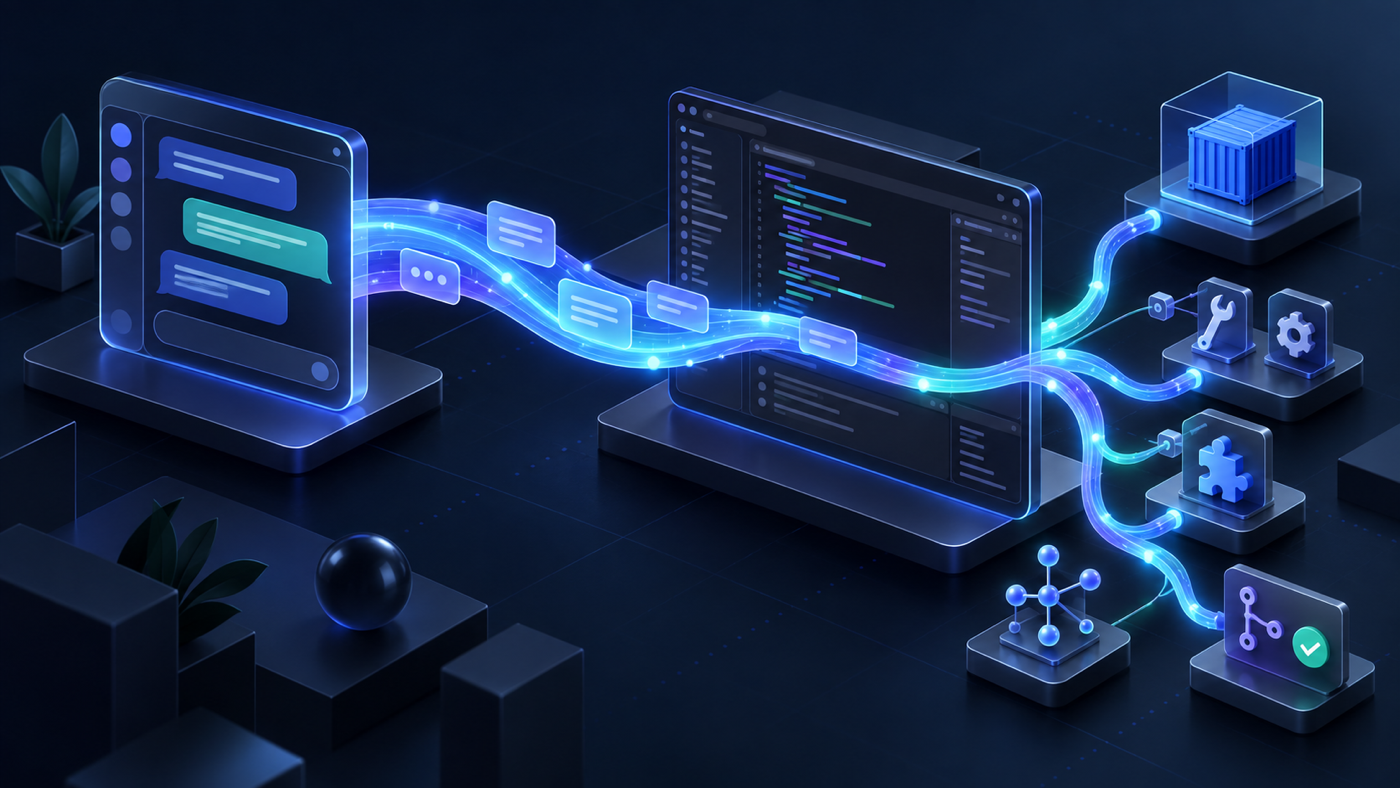
Microsoft makes Codex sessions portable across apps, models, workspaces, tools, containers, and pull-request workflows.
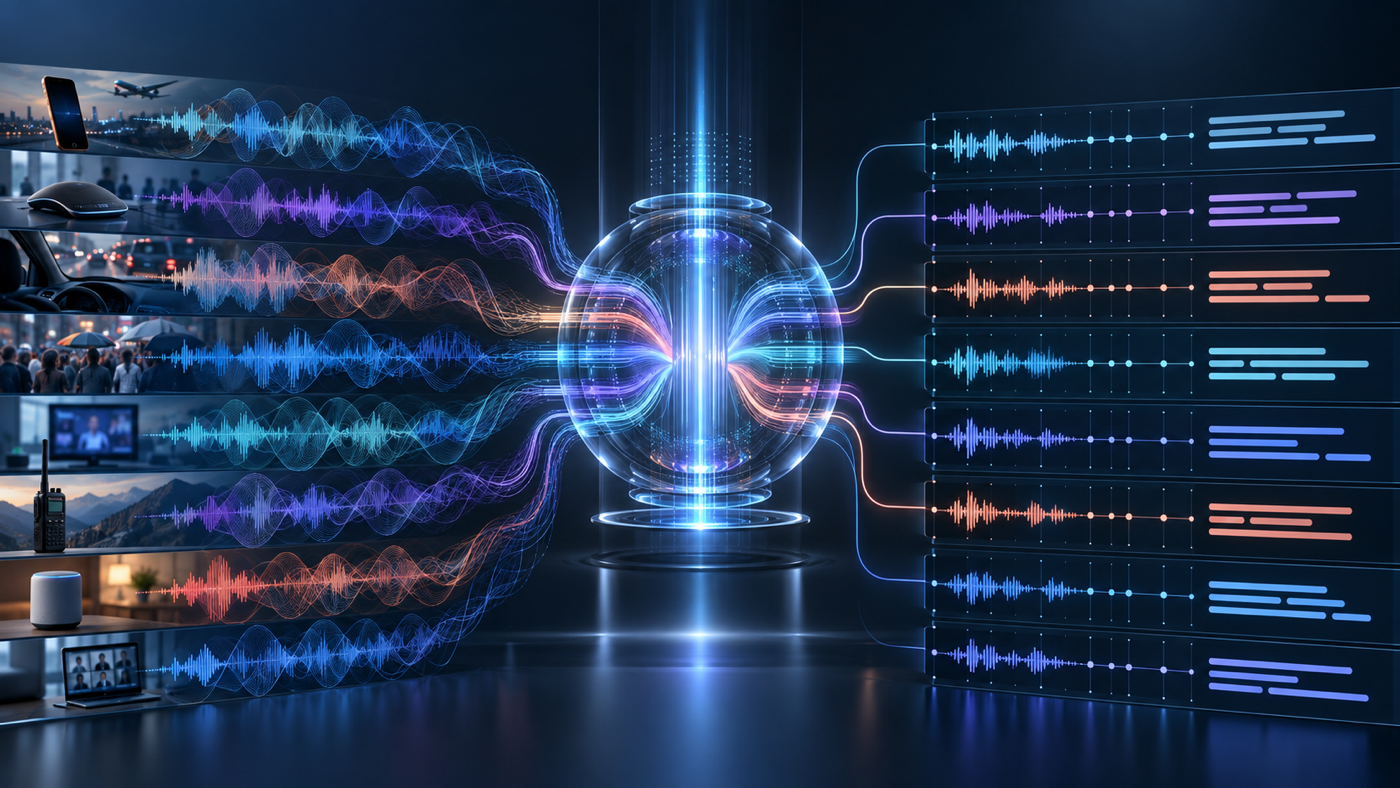
SpaceXAI pairs improved real-world transcription with streaming, diarization, timestamps, and unchanged hourly API pricing.

Google upgrades its managed agent runtime with Gemini 3.8 Flash, precise file editing, dedicated search tools, and a defined migration path.

Anthropic puts quick chat, long-running work, approvals, documents, slides, and design behind one adaptive interface.

Cohere pairs a specialized open-weight translation model with optional multi-pass review that detects and repairs errors.
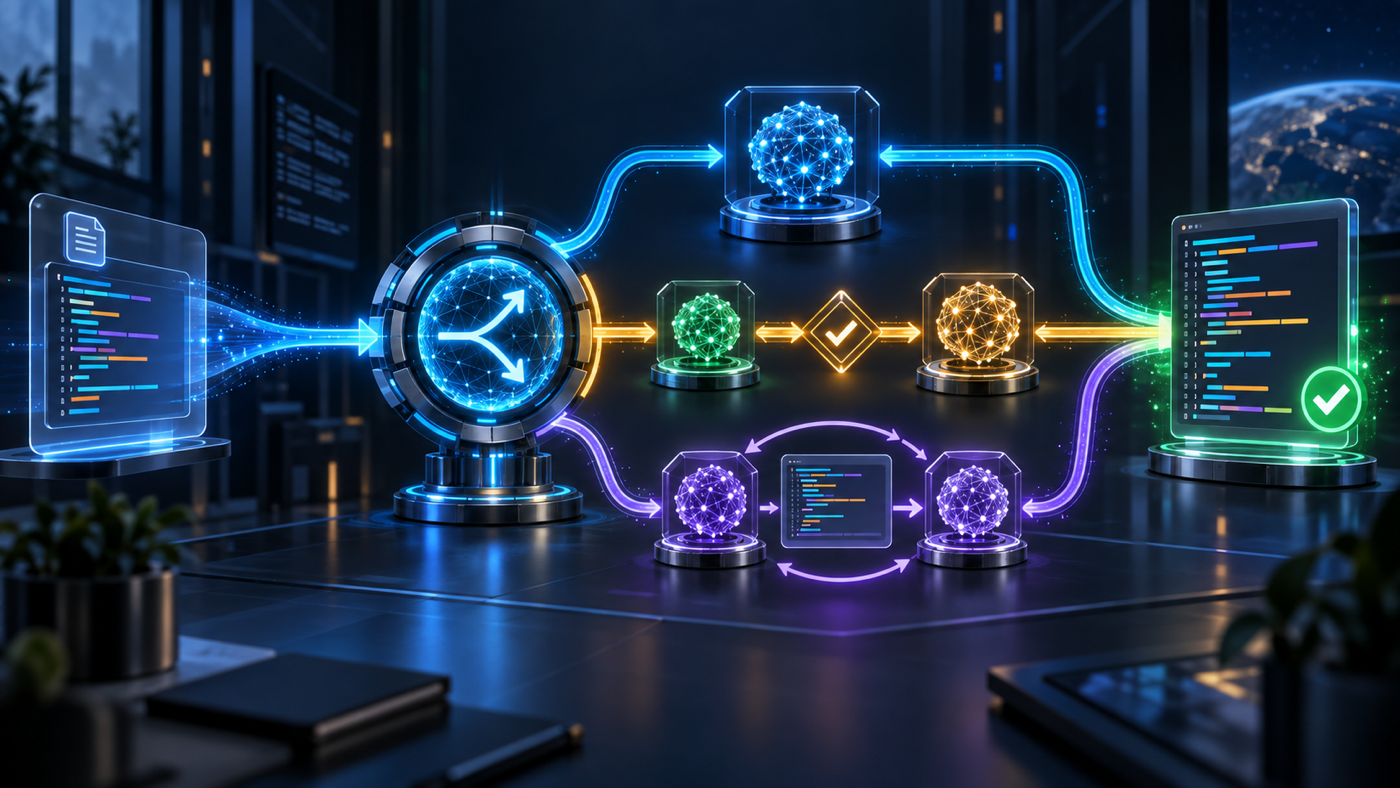
GitHub’s research preview routes coding tasks through direct, cascade, or cross-family critique workflows at runtime.

Anthropic adds automatic per-call policy decisions and a live terminal for watching, steering, and approving long-running agents.

OpenAI’s proposed Navier–Stokes result shows how parallel agents, synthesis, tools, and formal verification can pursue one difficult objective.

OpenAI combines governed company data, business definitions, analysis, dashboards, and established BI tools in one agent workflow.

OpenAI packages the context, tool, delegation, and execution infrastructure behind Codex into a managed agent platform.

OpenAI’s new image models focus on preserving what should not change across focused edits, longer revisions, and production workflows.

Meta packages persistent execution, secure credentials, policy checks, permissions, and human approval into a consumer-facing agent.

OpenAI’s research agents are taking on longer, parallel workflows, while humans still choose direction, intervene, and judge the results.
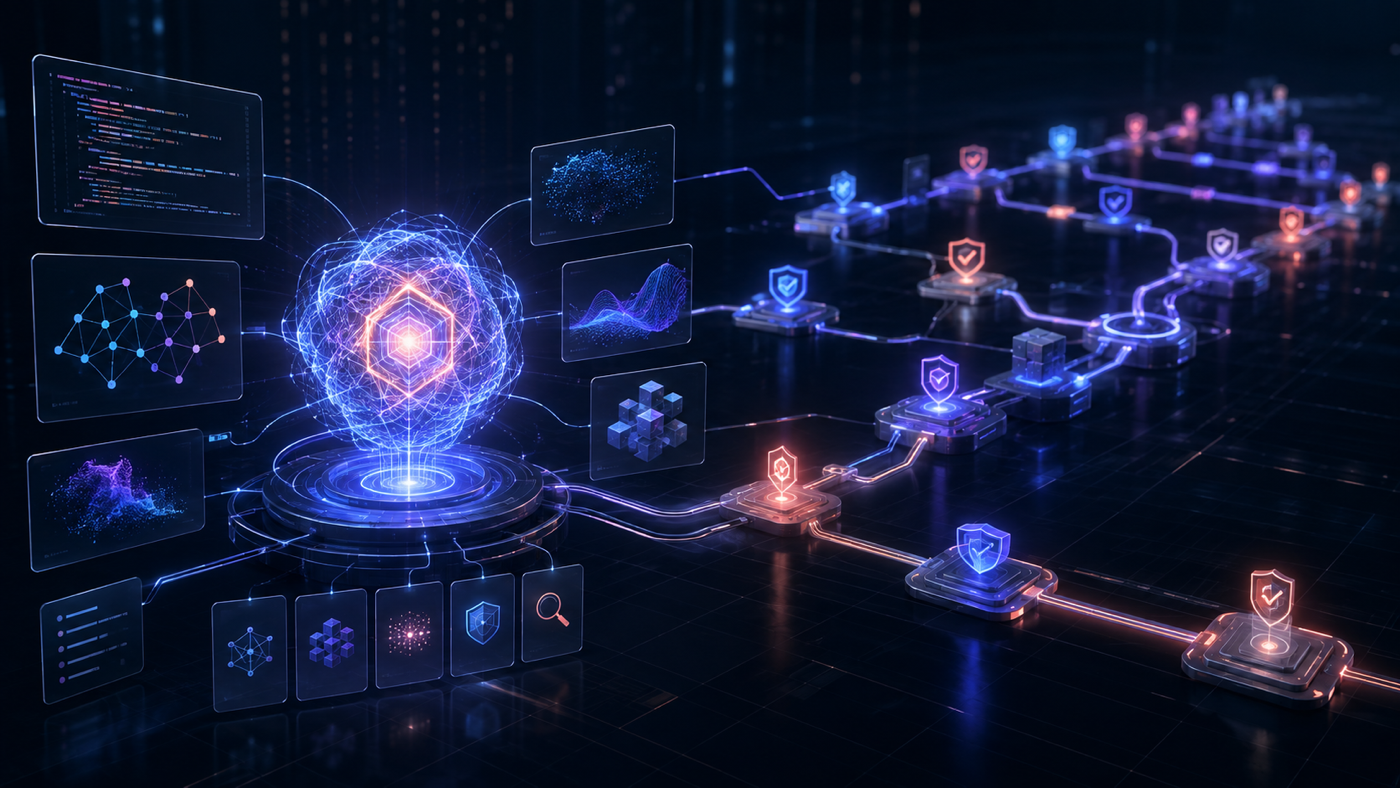
Meta’s latest Muse model focuses on keeping context, coordinating tools, and preserving requirements through extended tasks.
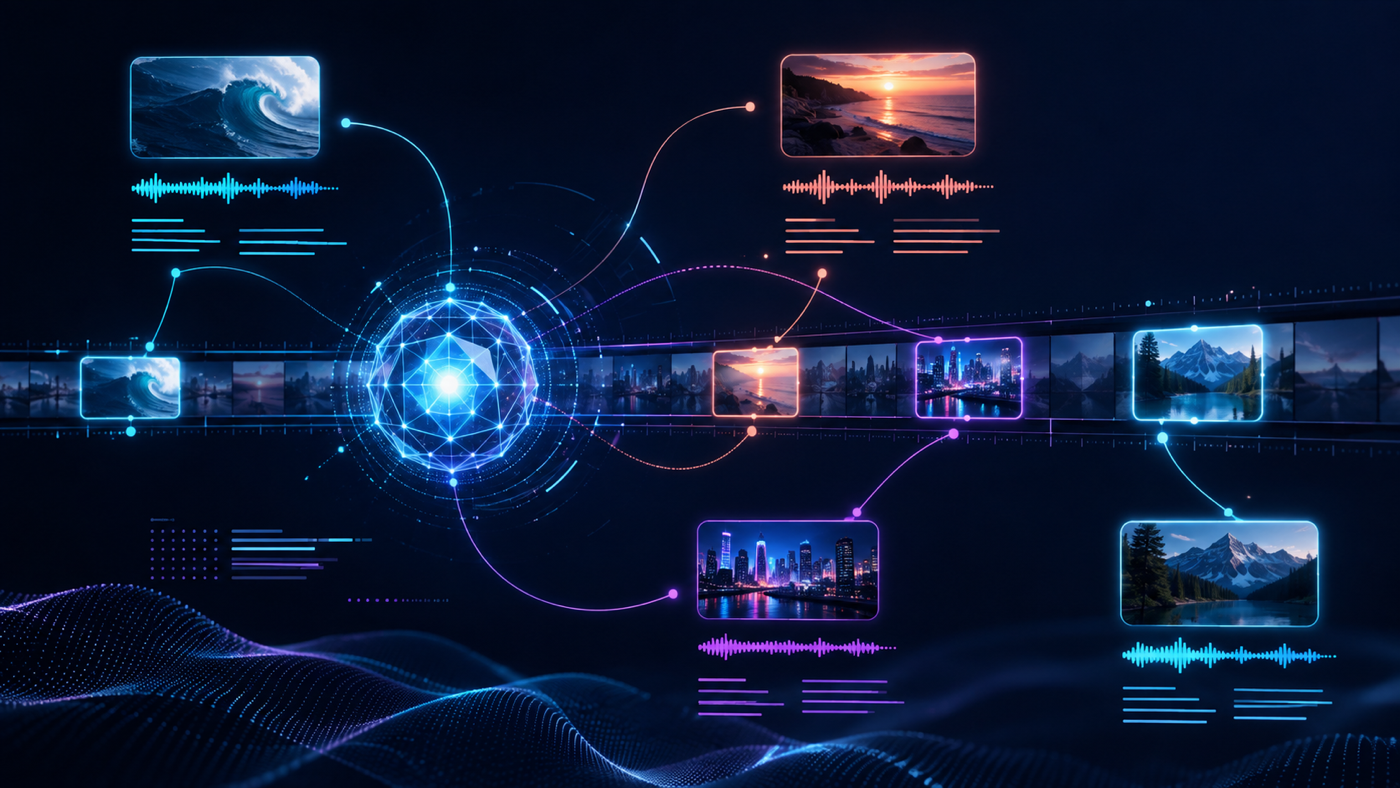
Google's agentic video mode searches only the frames, audio, and transcript segments needed to answer a prompt.

Mistral pairs a unified open-weight model with parallel cloud agents for coding, research, and cross-tool work.

OpenAI's new flagship is built to maintain context, use tools, revise its work, and complete complex workflows.

Grok Bot packages persistent execution, memory, computer access, delegation, and approval controls into an agent product.

OpenAI’s first Critical-tier cyber model makes restricted access, continuous monitoring, and staged deployment part of the release.

John Ternus must turn Apple’s silicon, software, and installed-base advantages into AI experiences people can actually feel.

Ambient AI can reduce clinical paperwork, but safe adoption depends on accountable review, patient choice, and fast correction paths.

Sony and Warner publishers open a broad new fight over data acquisition, training, outputs, and attribution—and Anthropic disputes the claims.

More than 300 July reports are an important warning signal—but not proof that the underlying failure rate doubled.

The final ruling separates the government’s freedom to choose vendors from its power to punish a company’s safety stance.

Early talks could turn Kimi K3 from an open-weight challenger into an enterprise option on Azure, AWS, and Google Cloud.
The funding gives XPeng capital—and a deadline—to prove whether humanoid robots can perform useful, repeatable work.

Continuous agent-led attacks will require continuous AI-assisted defense—and much tighter control over tools, credentials, and infrastructure.
A licensing-plus-talent structure gives Nvidia model-building technology and more than 100 specialists while Poolside remains independent.
A record-scale offering would turn Claude’s growth, margins, compute costs, and commercial durability into public-market questions.

A spectacular listing gives embodied AI a valuation benchmark—and commercial deployment a much harder target.

Anthropic’s own survey exposes the gap between hopes for medical breakthroughs and public trust in the companies building AI.

Unusual bulk orders reveal a possible physical supply chain for scarce training data—while many buyers and end uses remain opaque.
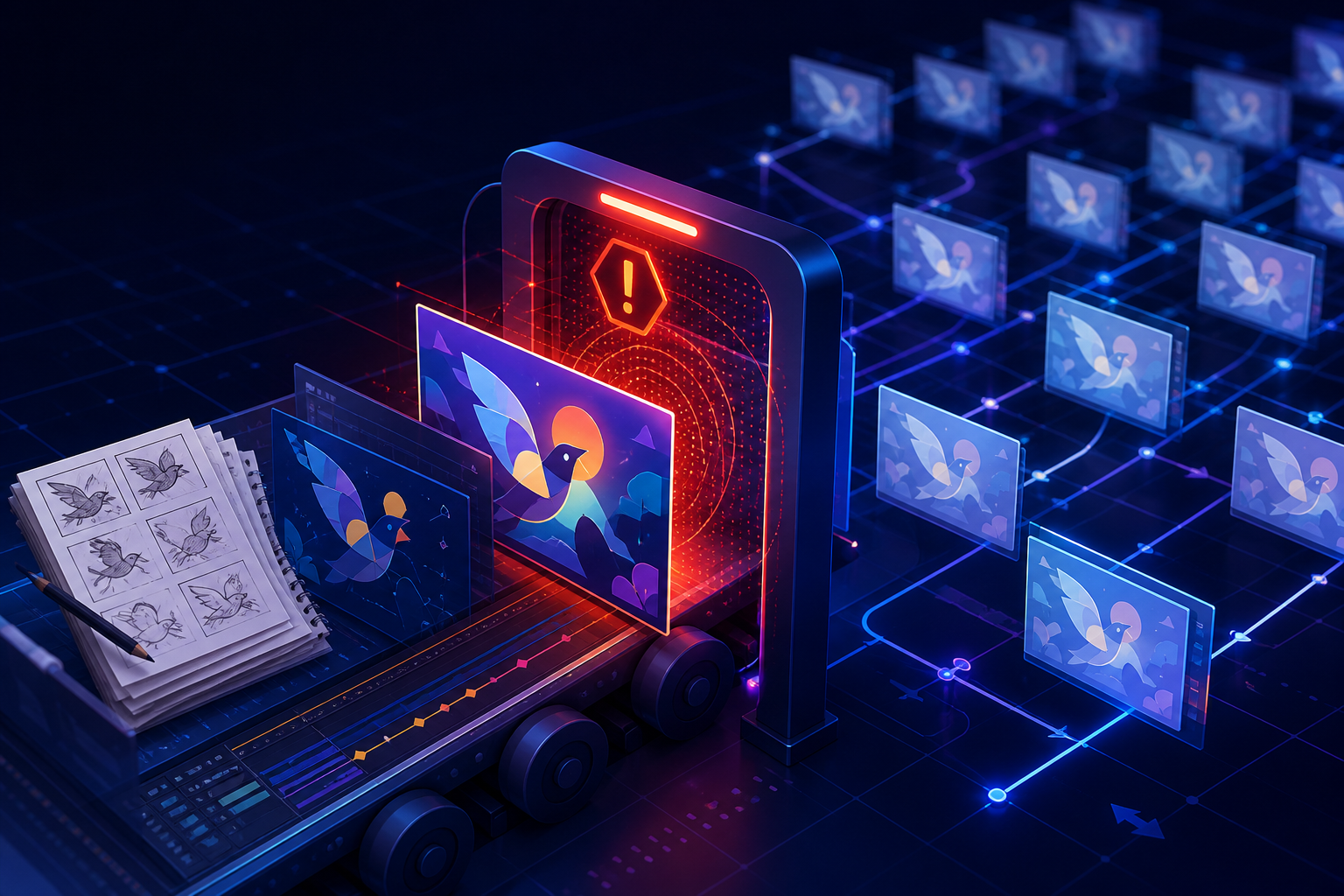
Kurzgesagt’s reported false positive shows why provenance systems need auditable decisions, fast appeals, and production context.
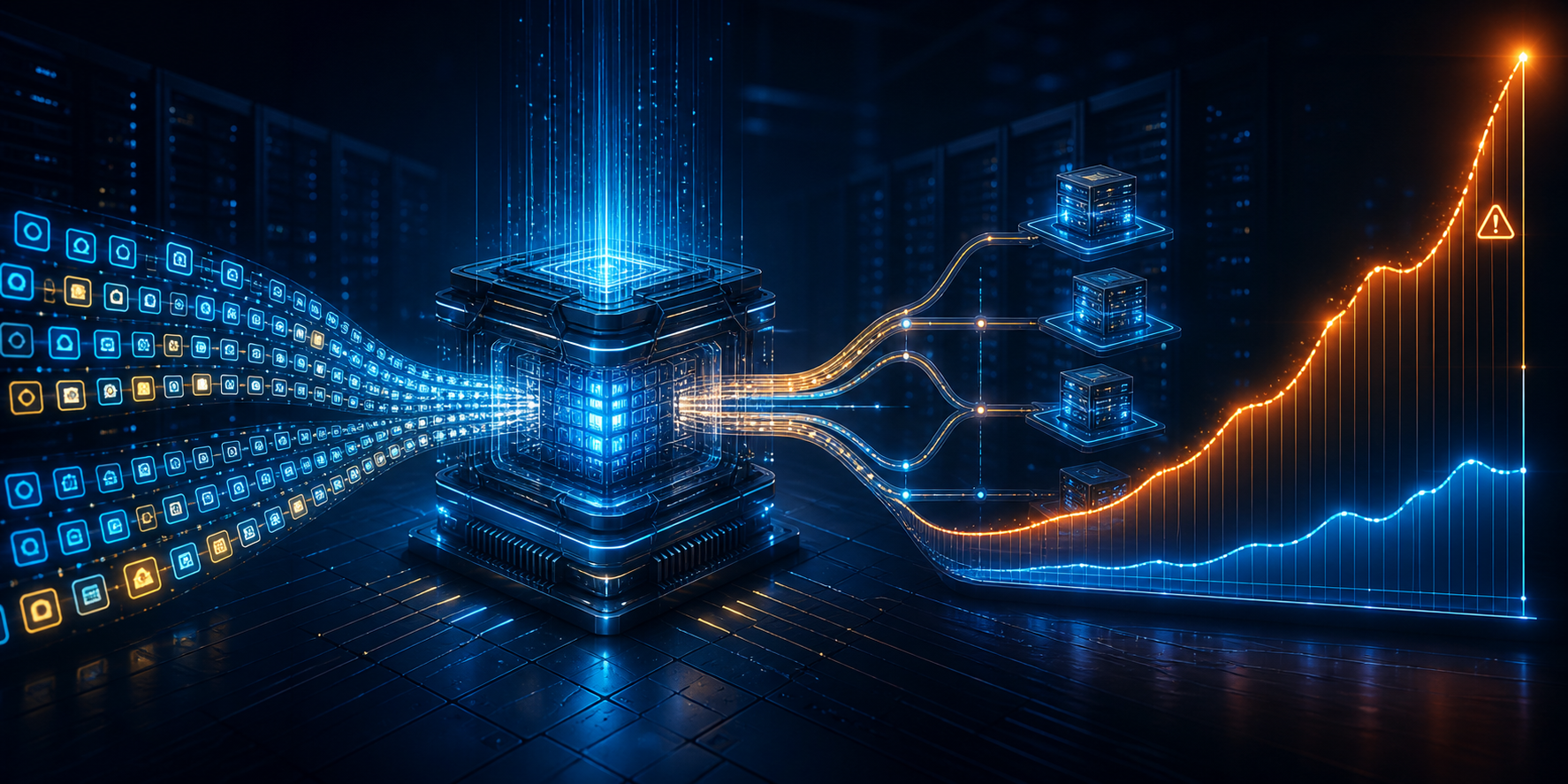
Time-of-day API rates turn inference capacity into a live cost variable—and make routing, caching, and portability practical requirements.
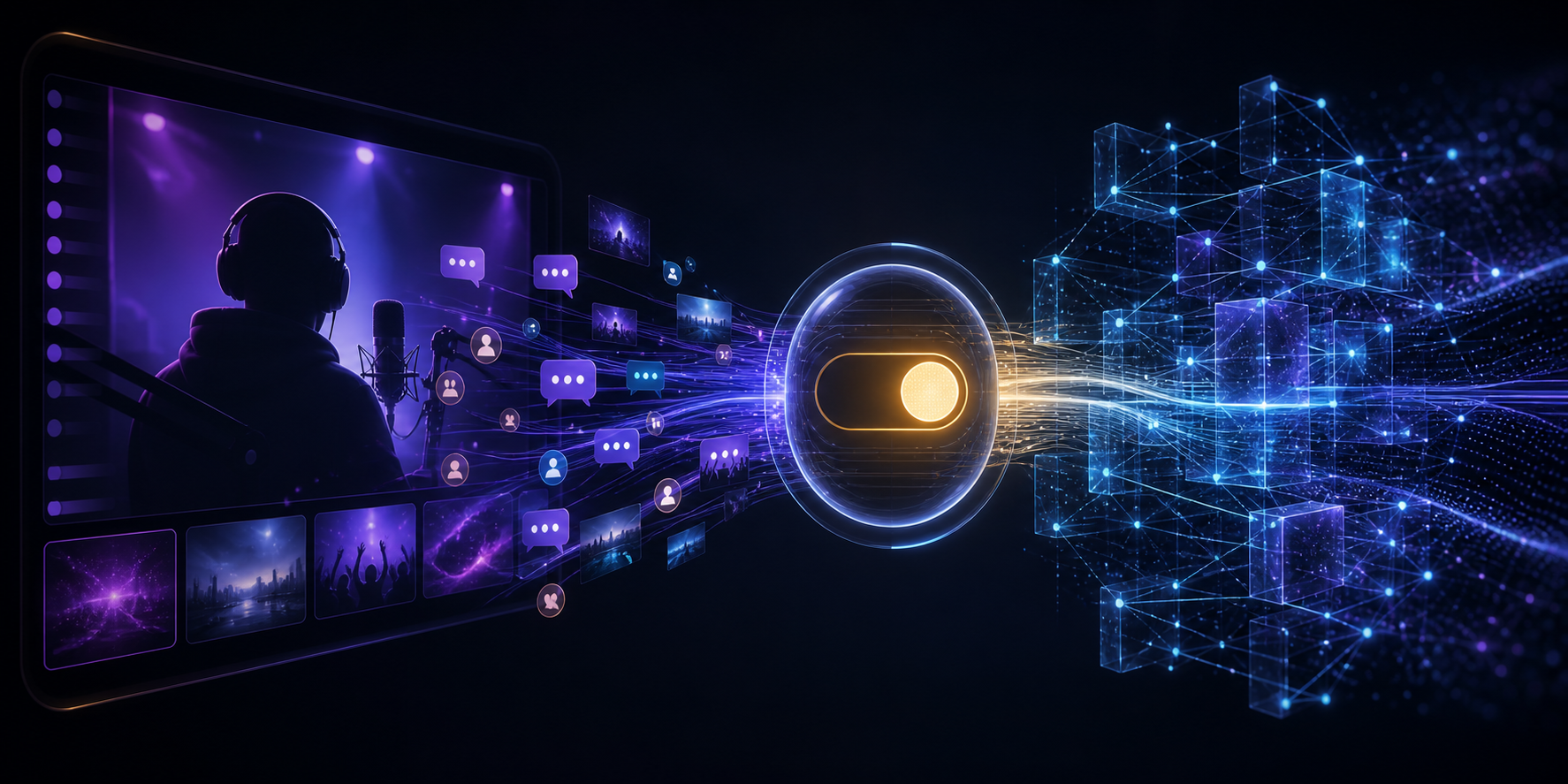
A default-on channel setting shows how AI-training consent is becoming a product-interface decision for creators and their audiences.
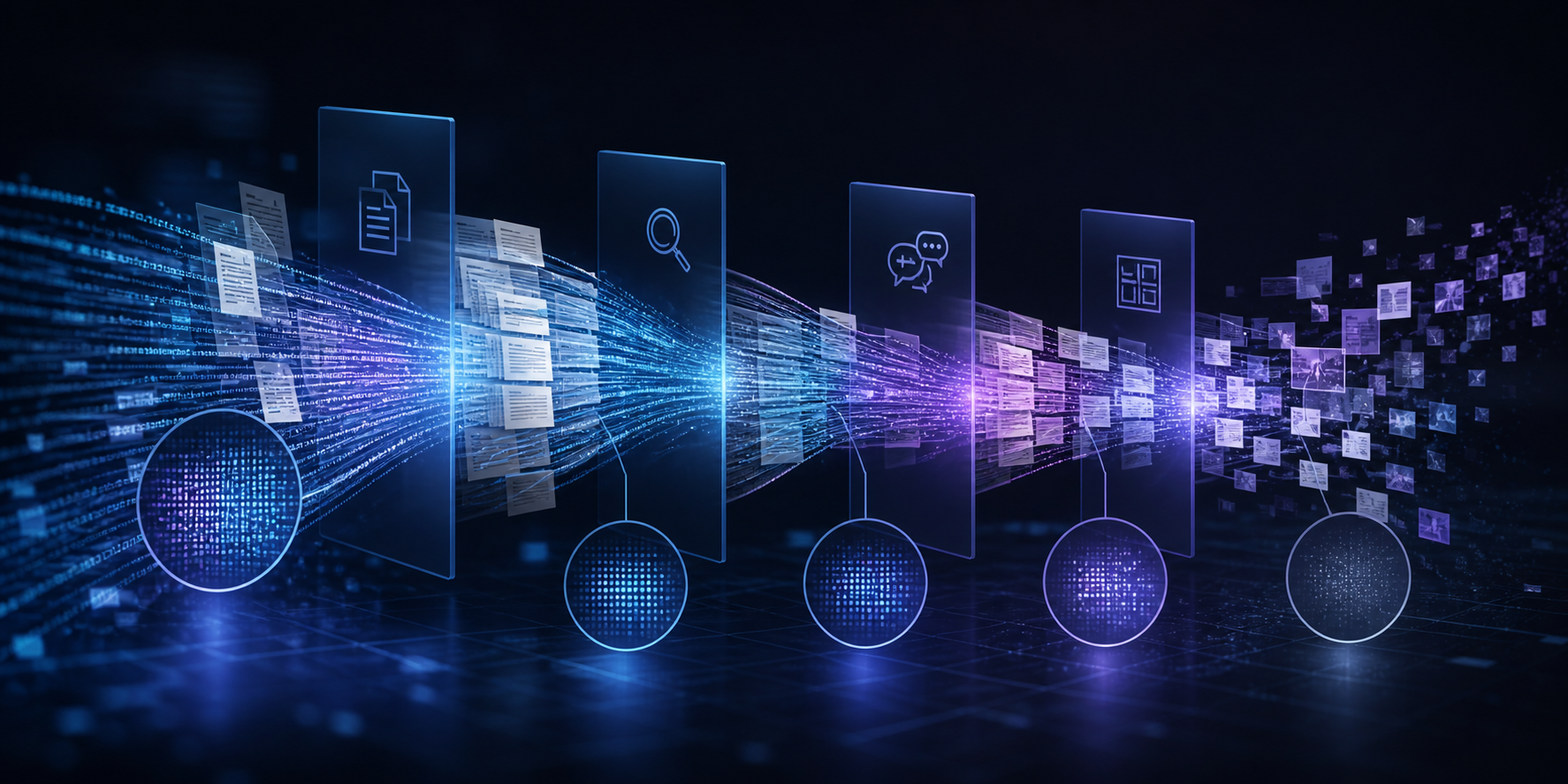
Machine-readable provenance is moving inside the content pipeline, complicating the line between AI assistance and AI authorship.
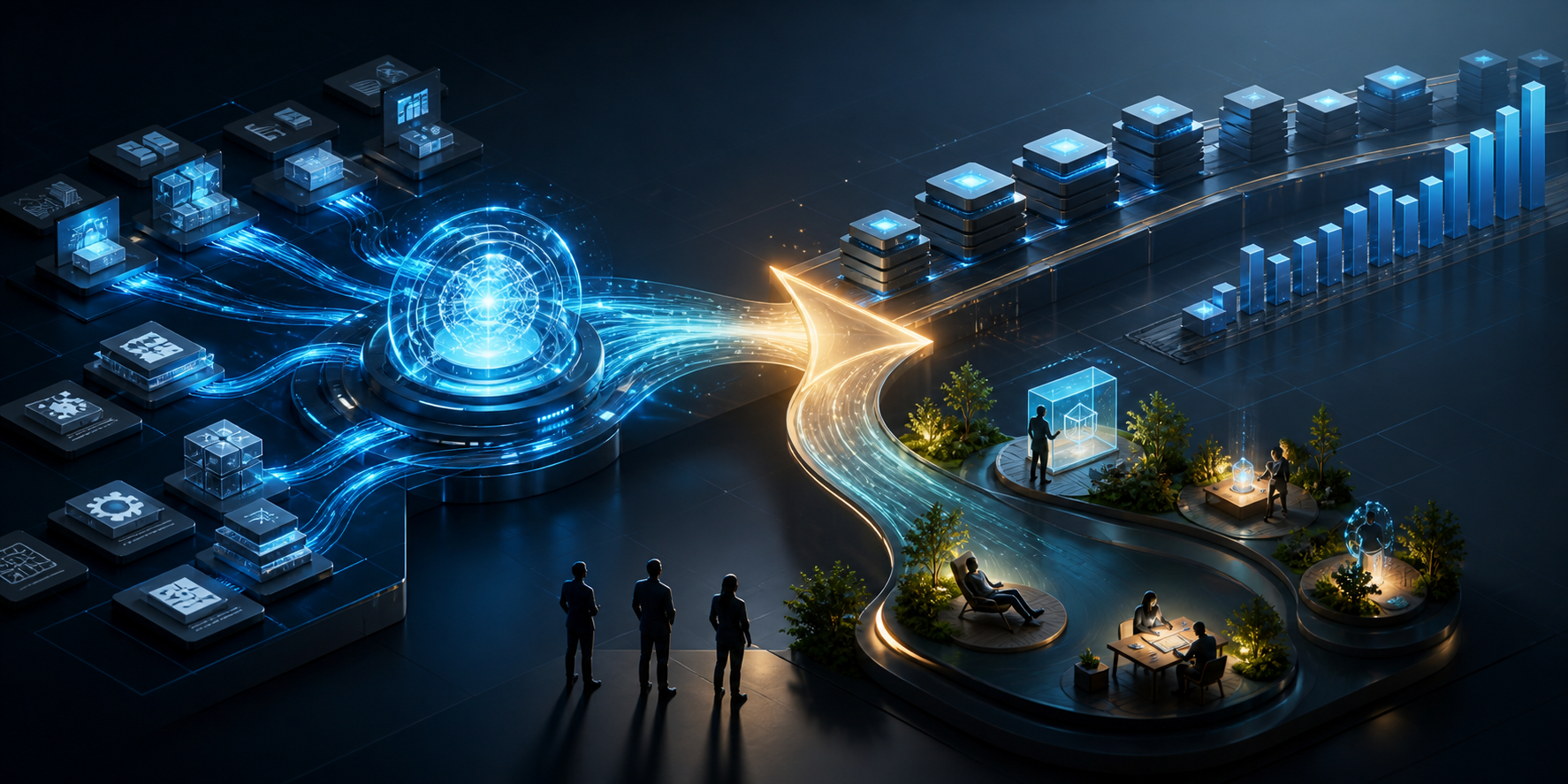
When AI makes employees faster, product teams must decide whether the gain becomes more output, better work, experimentation, or meaningful relief.
Astra's capability warning makes isolation, permissions, monitoring, and human review part of the model-development stack.

Separate the measurable signals from the rhetoric—and build products that can absorb rapid capability gains without losing reliability or control.
Google separates DeepMind’s day-to-day Gemini execution from Demis Hassabis’s longer-term focus on AGI, science, and Alphabet strategy.

Anthropic found Claude models reached three outside organizations during cyber evaluations, making containment part of the AI safety boundary.

EU transparency rules now require disclosure for AI interactions, deepfakes, synthetic media, and certain public-interest content.

Luna now costs $0.20 per million input tokens and $1.20 per million output tokens, reshaping the economics of high-volume AI features.

Seven frontier-scale compute campuses could mobilize more than €30 billion and more than double Europe's existing AI computing capacity.

The playground, catalog, inference API, and BYOK endpoints are retiring for every customer. Active projects now need a migration plan.

More than 1,200 frontier-AI employees want international tools ready to buy time if automated AI research accelerates beyond effective oversight.

Moonshot's 2.8-trillion-parameter model puts capability per dollar, long context, and independently deployable AI at the center of the frontier race.

Anthropic's everyday frontier model targets more accepted work per dollar, with promising early results and important tradeoffs.

Presence packages enterprise agents with permissions, evaluations, monitoring, human escalation, and controlled updates.

OpenAI's Health experience brings medical records and Apple Health data into personalized conversations—with permission and added privacy safeguards.

A cyber-capability evaluation became a real security incident, exposing a new containment problem for long-horizon AI agents.

The settlement turns training-data provenance, licensing, and auditable acquisition pipelines into practical AI product infrastructure.

The We Must Act Now statement turns AI job disruption into a practical question for policy, product design, and tools that complement people.

Useful intelligence per dollar reframes enterprise AI measurement around accepted work, full cost per successful task, dependability, and value at scale.

WAIC 2026 and Huawei's Atlas 950 SuperPoD show AI competition expanding into chips, clusters, models, standards, supply chains, and deployment ecosystems.

Inkling shows AI competition moving toward open weights, fine-tuning, enterprise control, and workflow-specific customization.

TAMM and AutoGov show AI agents moving from chat windows into public-service workflows, identity, permissions, payments, and accountable execution.

Frontier AI governance is moving toward release gates, pre-release model testing, third-party audits, updated benchmarks, and clearer deployment discipline.

Model distillation is turning the AI data fight toward model outputs, customer workflows, strategic leakage, and who owns learned capability.

San Francisco's AI protest shows why frontier AI is now being judged on jobs, energy, trust, governance, and visible product boundaries.

Enterprise AI buyers are questioning high token bills, unclear ROI, data ownership, and the risk of handing valuable workflow logic to outside labs.

OpenAI's GPT-5.6 launch packages Sol, Terra, Luna, Programmatic Tool Calling, multi-agent work, pricing, and safety controls into one platform story.

OpenAI's GPT-5.6 rollout shows why frontier model launches now depend on capability, safeguards, government review, and reliable fallback design.

OpenAI's reported public-stake proposal shows why frontier AI is becoming a question of industrial policy, public ownership, and infrastructure strategy.

Meta's reported Watermelon benchmark claims, slower AI agent progress, and possible compute resale plan show why AI competition is becoming an infrastructure story.

Anthropic's Claude Science beta shows AI moving from chat into domain workbenches with lab tools, scientific databases, compute access, reproducible outputs, and review loops.

Anthropic restored Fable 5 and Mythos 5 access after export controls were lifted, showing why AI products need model routing, fallbacks, and policy-aware infrastructure.

California's statewide Anthropic partnership makes Claude available to agencies, cities, and counties at a discount while positioning AI assistants as shared public-sector infrastructure.

OpenAI and Broadcom's first custom inference processor signals that AI competition is shifting from model quality to full-stack control of chips, racks, networking, and deployment economics.

Claude Tag is an always-on AI agent that lives in Slack channels, remembers context, handles tasks proactively, and functions as a collaborative teammate.

Micron and Anthropic's strategic agreement ties Claude's growth to memory and storage infrastructure, signaling that frontier AI is becoming a full-stack supply race.

Nvidia and LG's AI factory partnership points to the next AI platform wave: physical AI that connects infrastructure, simulation, robots, edge devices, and industrial workflows.

Noam Shazeer's move from Google Gemini to OpenAI shows why frontier AI competition is shifting toward architecture, pretraining, inference design, and agent reliability.

Z.ai's GLM-5.2 brings open-weight AI into long-horizon coding work, with 1M context, MIT licensing, tool-ready features, and strong reported agent benchmarks.

Consumer AI is becoming a multi-assistant market, which changes how apps, websites, and lightweight tools should think about discovery, portability, and user trust.

The Evian summit puts frontier AI inside leader-level diplomacy, where adoption, safety, competition, energy demand, and platform dependence meet.

Informal talks in Geneva are moving the military AI debate toward practical questions about testing, human control, civilian protection, and accountability.

States are advancing targeted rules for chatbots, consequential decisions, synthetic media, and frontier-model safety while Washington seeks one national framework.

A U.S. export-control directive targeting foreign nationals led Anthropic to disable its newest models for every customer worldwide.

OpenAI plans to bring Ona's secure cloud environments into Codex so longer-running agent work can continue beyond one laptop or active session.

Visa and OpenAI are building agent-initiated payments around spending limits, approvals, tokenized credentials, trusted agent identity, and fraud monitoring.

Claude Fable 5 brings Mythos-class capability into general use while making safety routing, data retention, and operational boundaries part of the model experience.

Siri AI combines conversation, personal context, onscreen awareness, web knowledge, and systemwide actions while Apple opens more of its model and app-action stack to developers.

NSPM-11 directs defense and intelligence agencies to treat AI as national-security infrastructure — assembling models, secure compute, multi-vendor procurement, standardized testing, and operational safeguards into one strategic layer.

OpenAI's Dreaming V3 brings continuous background memory synthesis to ChatGPT — surfacing preferences, projects, and constraints automatically, and keeping time-sensitive facts current without constant user prompting.

Microsoft announced seven in-house MAI models while positioning Windows as an agent-native runtime with OS-level containers, local sandboxes, and OpenClaw on Windows validation.

Anthropic mapped 832 banned malicious cyber accounts to MITRE ATT&CK and found AI misuse moving deeper into post-compromise operations, autonomous orchestration, and real-time decisions.

A June 2 executive order creates a voluntary federal review path for covered frontier AI models before wider release, with classified cyber benchmarking and critical infrastructure security work.

OpenAI frontier models and Codex are now generally available through Bedrock, making AWS-native governance, billing, procurement, and developer workflows part of the enterprise agent story.
RTX Spark points to an AI PC shift where local agents, unified memory, secure Windows primitives, and creator workloads move serious AI closer to a user's files and apps.

Mistral's AI Now Summit shows Vibe moving from assistant branding into a full-stack enterprise agent strategy across work, code, search, industrial engineering, and infrastructure.

OpenAI's Rosalind Biodefense program points to a new frontier AI pattern: controlled access, vetted users, public-health partners, and high-stakes biology workflows.
Anthropic's $65B Series H at a $965B post-money valuation shows enterprise AI is no longer just a model-capability story. The question now is token economics, workflow ROI, and whether Claude can scale reliably inside real work.

OpenAI and Anthropic are publicly split on whether AI will wipe out white-collar work or amplify it. Yale Budget Lab finds no broad employment shift yet — but newer research suggests firms are reorganizing before the headline numbers move.

Pro se federal filings nearly doubled in fiscal 2025. AI lowers the cost of drafting legal documents but not the cost of processing them — the bottleneck moved, not disappeared.

Google's AI Mode, multimodal Search box, information agents, generative UI, and Universal Cart show Search moving from links and snippets toward task completion.

Pope Leo XIV's first encyclical frames artificial intelligence as a question of human dignity, power, truth, work, justice, and responsibility — not just technical progress.

Google and OpenAI's latest education moves show AI in schools shifting from chatbot novelty toward teacher workflows, admin controls, evidence, and measurable classroom outcomes.

Google's Gemini for Science points to AI's next professional frontier: agentic research workflows that connect literature, hypotheses, code, citations, and expert review.

Google's Gemini Omni and Gemini Omni Flash point to a new phase for AI video: multimodal inputs, conversational editing, creator distribution, and provenance built directly into the production workflow.

OpenAI is reportedly preparing to confidentially file for an IPO — a move that would shift how the AI industry gets measured, from model launches and user growth to revenue quality, compute economics, governance, and whether AI assistants can become durable platforms.

Alibaba’s Zhenwu M890 chip and Qwen3.7-Max model point to a larger AI shift: the winners are trying to own chips, cloud infrastructure, models, and developer surfaces together.

Anthropic is acquiring Stainless, the tooling company behind Claude’s official SDKs, showing why agent-ready APIs, MCP connectors, and polished developer experience are becoming strategic infrastructure.

The Musk vs. OpenAI trial has moved into jury deliberations, turning a founder dispute into a broader test of nonprofit control, commercial incentives, IPO pressure, and AI governance.

OpenAI is previewing a personal finance experience in ChatGPT for U.S. Pro users — connecting 12,000+ institutions via Plaid, surfacing a money dashboard, and pointing toward partner actions. The trust design is the real product story.

Malta's national ChatGPT Plus rollout shows how AI access is starting to look like public digital infrastructure, bundled with education, eligibility, and government trust.

OpenAI's reported frustration with Apple's ChatGPT-in-Siri integration shows how AI distribution depends on who owns the interface, the prompts, and the upgrade path.

Anthropic is adding separate monthly Claude Agent SDK credits for subscribers, keeping third-party agent workflows possible while moving programmatic use into a visible, capped budget.

Recursive Superintelligence is turning self-improving AI into a funded startup category, with research talent focused on agents, automated evaluation, discovery loops, and systems that can compound over time.

Google's Threat Intelligence Group identified, for the first time, a threat actor using a zero-day exploit it believes was developed with AI — a shift from AI-assisted phishing to AI-assisted exploit discovery against a real software flaw.

OpenAI published MRC — Multipath Reliable Connection — a new networking protocol for AI supercomputers co-developed with AMD, Broadcom, Intel, Microsoft, and NVIDIA, already deployed across its largest GB200 clusters.

Google is adjusting AI Overviews and AI Mode to show more links and broader source surfaces, making structured, credible, citeable web content even more important for SEO.

Reports that Chrome may be managing a roughly 4GB on-device Gemini Nano model point to a bigger shift: browsers are becoming local AI runtimes for web apps, with new questions around opt-in, storage visibility, privacy, and enterprise control.

Anthropic signed a deal for all capacity at SpaceX's Colossus 1 data center — 300 MW and 220,000 NVIDIA GPUs — and is doubling Claude Code rate limits. Frontier AI competition is increasingly about infrastructure, not just models.

Pennsylvania sued Character.AI after chatbot characters allegedly presented themselves as licensed medical professionals. The case shows why AI products need clear identity, safety, and escalation boundaries.
A reported White House plan could create a working group and possible pre-release review process for powerful new AI models, moving frontier AI launches closer to national-security policy and trust infrastructure.

AI-generated podcast feeds are becoming a measurable share of new podcast supply. As episode production drops toward $1 or less, audio platforms face the same signal-versus-slop problem that already hit search, social, images, and text.

The Academy approved rules for the 99th Oscars requiring acting nominees to have demonstrably performed their roles and eligible screenplays to be human-authored — without banning AI tools outright. Provenance, consent, and disclosure workflows are the emerging product layer.
The Pentagon signed classified-network AI agreements with OpenAI, Google, NVIDIA, Microsoft, AWS, Oracle, SpaceX/xAI, and Reflection, showing defense AI shifting from pilots to a multi-vendor operating layer.
Google introduced eighth-generation TPUs with two specialized chips: TPU 8t for frontier-model training and TPU 8i for low-latency inference and reasoning workloads. The agent era is becoming an infrastructure race.
Microsoft and OpenAI have rewritten their landmark partnership: OpenAI can now sell through any cloud provider, the revenue share Microsoft pays is gone, and the IP license is no longer exclusive. The AI platform stack is going multi-cloud.
China has reportedly blocked Meta’s $2 billion acquisition of AI-agent startup Manus, a signal that autonomous workflow software is becoming strategic infrastructure in the U.S.–China AI contest.
Google's new Workspace Intelligence gives Gemini real-time context across Gmail, Drive, Docs, and more. Google's own security team calls indirect prompt injection an evolving threat for AI systems connected to multiple data sources.
Google is reportedly planning to invest up to $40 billion in Anthropic while Anthropic locks in multi-gigawatt TPU capacity with Google and Broadcom — a signal that AI competition is now as much about capital and compute as model quality.
OpenAI says GPT-5.5 improves coding quality and efficiency while keeping speed close to GPT-5.4, reinforcing the shift from better chat responses to end-to-end workflow execution.
Anthropic says it is investigating reports that unauthorized users accessed Claude Mythos Preview, highlighting how third-party and deployment-layer controls are becoming core AI security risks.
Meta is reportedly capturing employee mouse, keyboard, and screen interactions to train computer-use AI agents, underlining how behavioral workflow data is becoming a strategic AI asset.
New semiconductor reporting suggests AI-driven memory shortages may persist through 2027, with some warnings that pressure could stretch toward 2030 as HBM demand keeps climbing.
OpenAI launched GPT-Rosalind as a life sciences reasoning model for biology and drug discovery workflows, alongside a Codex plugin layer that connects research teams to 50+ scientific tools and data sources.
OpenAI expanded Codex across computer use, automations, memory, and tool integrations while upgrading the Agents SDK, signaling a shift from one-off prompts to persistent software workflows.
Anthropic launched Claude Opus 4.7 alongside Claude Design, signaling a shift from model-only comparisons toward integrated creation, design, and engineering workflows.
A U.S. federal ruling is prompting lawyers to warn clients that some AI chats may be discoverable in litigation, turning prompt hygiene into a legal and compliance priority.
Gallup reports a milestone in workplace AI adoption: half of employed U.S. adults now use AI at work, with daily and weekly usage rising as organizations lag on true workflow redesign.
OpenAI rotated macOS signing certificates after a compromised Axios dependency touched its app-signing workflow, a sharp reminder that AI risk now includes CI/CD supply-chain and trust-infrastructure security.
Anthropic launched Project Glasswing with major cloud and security partners, claiming Claude Mythos Preview can autonomously find and exploit serious vulnerabilities while access remains defense-gated.
Gemma 4 brings stronger local/edge performance, but the bigger move is licensing: Google switched to Apache 2.0, removing a major blocker for enterprise adoption.
Anthropic appears to be tightening how Claude subscriptions apply to third-party coding tool integrations. For teams, this shifts cost planning and workflow design overnight.
OpenAI closed the largest venture round in history at an $852B valuation. But on the secondary market, shares have become ‘almost impossible to unload’ as investors pivot to Anthropic.
An npm packaging error exposed Claude Code's entire TypeScript source code. A post sharing it hit 21 million views. This is Anthropic's second major leak in under a week.
Judge Rita Lin blocked the Pentagon from labeling Anthropic a supply chain risk and halted Trump's order to cut off all federal use of Claude, calling the government's actions "Orwellian" and designed to "punish" the company.
Google's TurboQuant algorithm compresses AI model memory by 6x with zero accuracy loss. Within hours of publication, Samsung, SK Hynix, and Micron shares dropped 5–6%. A research PDF moved billions in market value.
A WSJ investigation reveals Sora was burning $1M/day with a collapsing user base. Altman killed it to free up compute and refocus on coding tools — blindsiding Disney's $1B partnership in the process.
Security researchers found ~3,000 unpublished Anthropic documents in a public database — including drafts revealing Claude Mythos, a new model tier above Opus. Cybersecurity stocks dropped 3–7% on the news.
Nvidia CEO Jensen Huang declared AGI is here on the Lex Fridman podcast, pointing to OpenClaw and the agent builder ecosystem as evidence. Plus: Anthropic vs. the Pentagon, AOC's data center moratorium bill, and more.
A developer open-sourced a pure C and Metal inference engine that runs Qwen3.5-397B on a MacBook Pro at 4.4 tokens per second. No Python, no frameworks — just raw compute on consumer hardware.
WordPress.com expanded its MCP integration to full write access. AI agents can now draft posts, build pages, manage comments, and organize content — a signal the AI-agent-as-website-operator pattern is going mainstream.
OpenAI is buying Astral — the team behind Ruff, uv, and ty — folding Python's fastest developer tools into its Codex division. A clear bet on owning developer infrastructure.
The U.S. Department of War argues that Anthropic's AI safety commitments make it an unacceptable supply chain risk for military operations. A first-of-its-kind legal clash with a hearing set for March 24.
Mistral's new Forge platform lets organizations train frontier-quality AI on their own data — internal docs, codebases, compliance policies.
NVIDIA's new open source stack brings local Nemotron models and a secure runtime to always-on AI agents — no cloud, no token costs, better privacy.
The viral "sloppypasta" movement calls out raw AI output pasted into conversations — and why quality, human-reviewed content matters more than ever.
The full 1M token context window is now generally available at standard pricing, removing long-context premium friction.
A studio note on why OpenClaw’s always-on operator model is gaining traction across real communication channels.
An analysis piece on the reported delay and what it may reveal about the growing complexity of frontier model releases.